

























































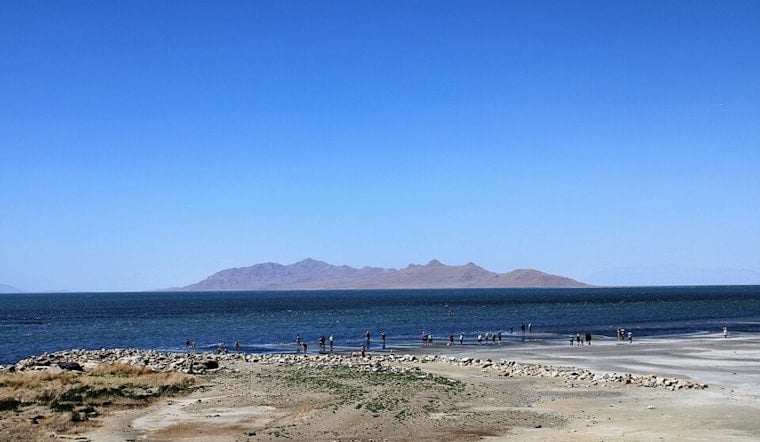
The National Audubon Society has rolled out a new, science-heavy roadmap for saving the Great Salt Lake and the roughly 12 million migratory birds that depend on it every year. The fresh assessment zeroes in on the lake’s southern arm and its surrounding wetland complexes as ground zero for protection, restoration, and voluntary land preservation. At the heart of the findings is a straightforward but high-stakes prescription: reconnect and restore the freshwater flows that feed the mudflats and marshes where birds nest and fuel up.
The Great Salt Lake Birds and Habitat Assessment, released June 30, blends habitat, hydrology, and climate modeling to flag “priority” and “opportunity” areas where every dollar and acre-foot of water could go furthest, according to the National Audubon Society. The report maps managed refuges and other wetlands that support staging and breeding birds, and it calls out spots where restoration or voluntary conservation easements could expand that habitat. It is pitched as a planning tool for water managers, landowners, and policymakers who have more needs than money or water to meet them.
Where the lake stands now
Local measurements show the lake’s southern arm hovering just above 4,191 feet this week, only a few feet higher than the 2022 record low that alarmed scientists and birders alike, as reported by KSL. That same coverage points to Grow the Flow’s lake tracker, which currently lists the southern arm’s salinity at about 12.3 percent, a far healthier range than during the 2022 crisis. Those numbers help explain why the new assessment keeps circling back to the southern arm as a top conservation priority.
How bad was it in 2022?
In 2022, salinity shot up to about 18 percent in parts of the basin, and researchers say that spike hammered the lake’s brine-fly and brine-shrimp populations, the tiny invertebrates that underpin the entire food web. The University of Utah reported that record-low water levels pushed salinity beyond the thresholds where those species can reliably survive, which in turn strained the shorebirds and waterfowl that rely on them. That near-disaster is now baked into the assessment’s modeling as a cautionary scenario for what future habitat could look like if inflows keep dropping.
Where the report wants money and focus
The assessment puts managed wetlands, state wildlife management areas, and nearby open-water habitat at the top of the list for investment and attention, and it marks out “opportunity areas” where restoration or voluntary land protection could significantly boost habitat value, according to the National Audubon Society. Map layers link habitat models with data on freshwater inflows to show where reconnecting wetlands to rivers and canals could maintain a patchwork of different habitat types that various bird species need. The idea is to help partners target projects that deliver the most bird habitat for every acre-foot of water or dollar they are able to commit.
Local leaders and next steps
State officials and conservation groups say the document could sharpen how Utah spends its limited Great Salt Lake budget. Kelly Pehrson, commissioner of the Utah Department of Agriculture and Food, told KSL that the study “highlights the important role that agricultural lands can play in water flows for wetlands and habitat.” Earlier this spring, the state and its partners supported voluntary water-lease deals and wetland grant awards designed to return flows to marshes, the kind of market-based tools the assessment calls out, Deseret News reported.
Audubon and local partners are quick to stress that the assessment is a playbook, not a legal order. Keeping the Great Salt Lake a dependable stopover for millions of birds will hinge on coordinated, voluntary action from farmers, agencies, and private landowners who often have competing demands on the same water. For decision-makers and everyday bird-watchers alike, the report sketches out where relatively modest investments in water and habitat over the next decade could make the biggest difference for the lake’s feathered regulars.





