

























































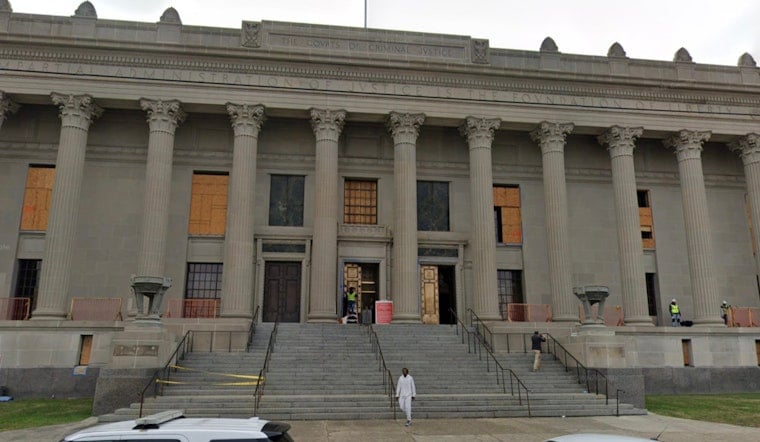
A Baton Rouge judge on Tuesday hit pause on a Louisiana law that would have wiped out three Orleans Parish Criminal District Court judgeships, keeping the seats held by Judges John Fuller, Simone Levine and Rhonda Goode-Douglas in place while the state pursues an appeal. For now, the law's criminal-court provisions are on ice as the legal fight plays out, and the question of who will sit on those benches is back in the courts instead of the Legislature.
Order Keeps New Orleans Judges On The Bench
In an order from East Baton Rouge's 19th Judicial District Court, the judge granted temporary relief that bars the state from enforcing the provisions that would have eliminated the three sections, according to WDSU. The ruling keeps the positions intact while the state gears up for an appeal. That appeal will decide whether the seats stay on the books heading into the November election cycle.
Why The Lawsuit Was Filed
Judge John T. Fuller filed suit in late June, arguing that Act 748 was never validly enacted because the conference committee report that ultimately became the law did not receive the two-thirds vote the Louisiana Constitution requires, as reported by WVUE/FOX8. Fuller asked the court to keep candidate qualifying open for the affected divisions so that voters still have a say this fall.
What It Means For The Ballot
The order means Fuller, Levine and Goode-Douglas remain in their roles for now and could be able to seek re-election. Candidates are scheduled to begin qualifying on Aug. 5, 2026, according to WDSU. Local election officials are watching the appellate calendar closely as they assemble ballots and qualifying lists, waiting to see whether higher courts tweak the lineup.
Legal Path Ahead
Because the fight centers on how the Legislature passed Act 748 and whether it met required vote thresholds, the case is expected to climb the state court ladder. Reporting on related disputes involving Orleans Parish courts suggests the Louisiana Supreme Court could ultimately be asked to settle the issue, LA Illuminator notes. If the state seeks an expedited appeal, temporary orders are likely to dictate who serves and who appears on the ballot while higher courts set schedules and weigh the constitutional arguments.





