

























































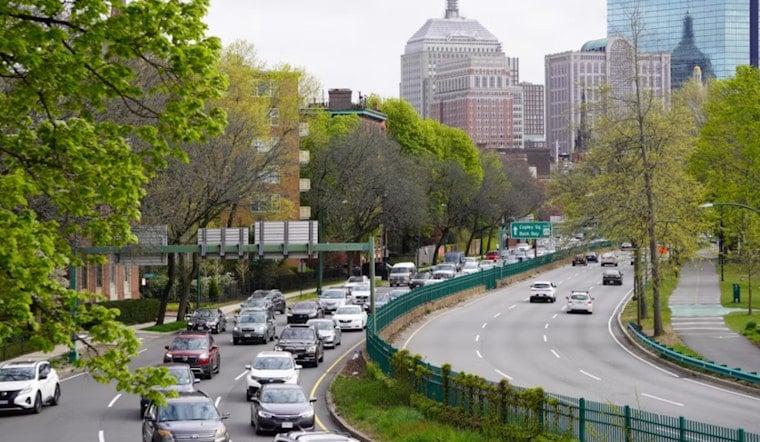
Boston is back on top of a list nobody in traffic-plagued New England really wants to win, once again ranked the most collision-prone city in the United States. Drivers here are getting into crashes far more often than the national norm, and nearby cities are not faring much better. Worcester and Springfield are also near the bottom of Allstate's rankings, while Providence lands among the 10 riskiest metros. Together, the numbers underline how dense traffic, tricky street layouts and driver behavior keep local crash frequency stubbornly high.
How Allstate put Boston at the bottom
According to Allstate, Boston drivers average about 3.76 years between collisions and face a relative collision likelihood about 189 percent higher than the U.S. average. The 2026 America's Best Drivers Report, now in its 18th year, ranks the 200 largest U.S. cities using property-damage claim frequency from January 2023 through December 2024 and notes that Allstate policies represent roughly 10 percent of U.S. auto policies. The report also folds in anonymized Drivewise data that tracks speeding, hard braking, phone use and nighttime driving to add context to the claim numbers.
Mass. cities pile up near the bottom of the list
Coverage from Boston.com underscores just how rough the rankings are for the region. Boston sits dead last, Worcester and Springfield also land among the nation's riskiest, and Providence cracks the top 10. The pattern fits a familiar mold, with several Northeastern metros repeatedly appearing on Allstate's riskiest list while places like Brownsville, Texas, and Fort Collins, Colorado, rank among the safest. For everyday drivers, more frequent property-damage claims usually show up later as steeper repair bills and pressure on insurance costs.
What the data says about driver habits
Allstate's Drivewise findings zero in on specific behaviors that track closely with higher crash frequency, including phone use, speeding, hard braking and nighttime driving. Boston stands out as one of the cities with elevated phone use behind the wheel, a habit that does not pair well with congested streets and confusing intersections. Those patterns, the company says, help explain why crash rates swing so widely from city to city and why the safest places see drivers go years longer between collisions. The report pushes for small, consistent changes behind the wheel to cut both crash likelihood and the costs that follow.
Officials and experts add context
A state Transportation Department spokesperson told reporters that the agency "prioritizes safety across all avenues" and works with municipalities to roll out systemic countermeasures at high-crash locations, according to the Boston Globe. At the same time, experts warn that collision frequency is only one piece of the safety picture. Northeastern University's Peter Furth noted that Massachusetts ranks near the top nationally for low crash-fatality rates, which suggests a high number of claims does not automatically mean more deadly roads. Those nuances point to a two-pronged approach, pairing behavior-focused outreach with changes to street design and enforcement in order to reduce both crashes and the most serious outcomes.
What drivers can do to stay out of the body shop
Simple moves can make a real difference. Slowing down, staying focused and leaving more space between vehicles are among the steps Allstate executives highlighted in local coverage of the report, according to Boston.com. Allstate also points to Drivewise-style feedback in its mobile app as a way for drivers to spot risky habits and improve over time. Around Greater Boston, that can mean extra caution in dense corridors and at busy intersections where congestion, transit vehicles and people moving on foot or by bike all bump up the odds of fender-benders and more serious crashes.





