

























































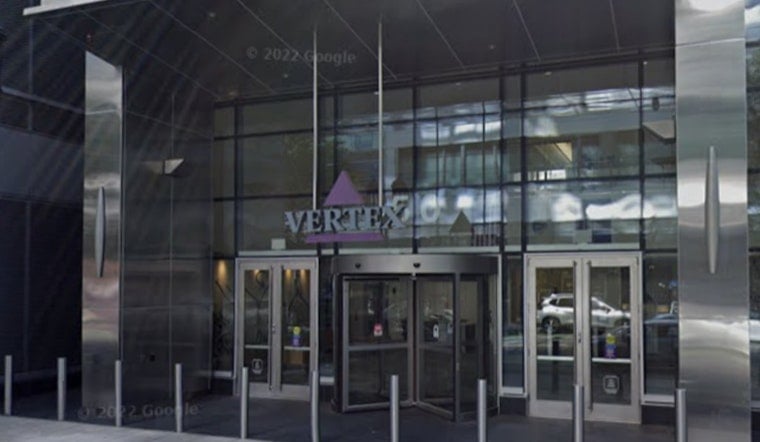
Boston-based Vertex Pharmaceuticals is writing a very large check for San Diego’s Crinetics Pharmaceuticals, agreeing to a roughly $10 billion buyout that vaults the company into endocrine rare-disease medicine almost overnight. The deal prices Crinetics at $85 per share and hands Vertex an FDA-approved oral treatment for acromegaly, plus a late-stage experimental drug for congenital adrenal hyperplasia. Vertex executives say the acquisition tightens the company’s pivot beyond cystic fibrosis into new rare-disease franchises.
Under the agreement, Vertex will pay $85 in cash for each Crinetics common share, valuing the target at about $10 billion. The companies expect the transaction to close in the third quarter of 2026, assuming the usual regulatory reviews and shareholder approvals. Vertex is telling investors it anticipates the deal will be accretive to non-GAAP operating income by 2029. PALSONIFY and atumelnant together could generate more than $5 billion in peak annual sales, according to Reuters.
What Vertex Is Buying
Crinetics’ lead product, PALSONIFY (paltusotine), secured U.S. approval in September 2025 and has shown early commercial traction since launch. Investigational atumelnant is in late-stage development for congenital adrenal hyperplasia and is also being tested in trials for ACTH-dependent Cushing’s syndrome, giving Vertex a broader rare-endocrine pipeline rather than a single-asset bet.
Crinetics’ investor materials report PALSONIFY net product revenue of $5.4 million in the fourth quarter of 2025 and outline multiple ongoing Phase 3 programs. The company has been building out commercial infrastructure to support a larger rollout, according to Crinetics.
Market Reaction
The announcement lit up after-hours trading. Crinetics shares more than doubled in extended trading, while Vertex’s stock slipped modestly as investors digested the price tag. Analysts and shareholders weighed the steep premium against the strategic prize of an already commercial endocrine drug plus a late-stage pipeline. The initial market moves were reported by Reuters.
Why It Matters For Vertex
For Vertex, the deal is a fast-forward button on its long-running plan to expand beyond its cystic fibrosis blockbuster franchise into other specialty and rare-disease areas, a strategy reinforced by recent clinical wins in kidney and additional programs. Bloomberg has highlighted the company’s push into new therapeutic areas as it hunts for growth beyond CF.
PALSONIFY gives Vertex an approved, orally delivered endocrine medicine that is already on the market, while atumelnant offers the potential for a second commercial pillar if its pivotal trials hit their marks, according to Bloomberg.
What Comes Next
The companies say the transaction is subject to the usual closing conditions, including regulatory sign-offs and shareholder votes, before it can become official. If everything clears and the deal closes on schedule in the third quarter of 2026, Vertex plans to fold in Crinetics’ commercial team and ongoing clinical programs while closely tracking pivotal readouts for atumelnant.
Investors will be watching how quickly PALSONIFY’s sales ramp and how upcoming trial milestones play out, since those numbers will ultimately determine whether this $10 billion swing delivers the financial upside Vertex is promising.
For Boston’s Vertex, the acquisition is a rapid entry into an endocrine specialty business anchored by an on-market pill and a late-stage franchise candidate. For San Diego’s Crinetics, it is a chance to scale PALSONIFY’s rollout with far greater resources, while the two companies push both the commercial launch and clinical pipeline hard through the rest of 2026.



