

























































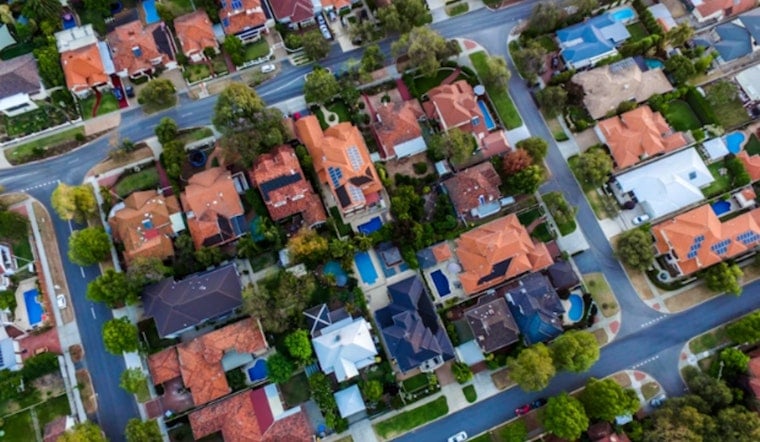
Massachusetts homebuyers are getting backed into a corner: shell out for pricey, freshly built digs or roll the dice on an older place that may come with a long to-do list. Nowhere is that trade-off sharper than in Greater Boston, where new luxury towers fetch sky-high per-square-foot prices while older brownstones still offer more sheer space for the money.
Realtor.com Finds Sizable 10-Year Savings
A new analysis from Realtor.com says the long game favors new builds. Nationally, buyers of newly constructed homes are estimated to save about $25,335 over the first 10 years of ownership. Massachusetts comes out on top in that ranking, with projected 10-year savings of $38,927.
The study pits a typical new home against a 20-year-old home and bakes in lower energy usage plus fewer big-ticket replacements such as roofs and HVAC systems. On paper, at least, a tighter, more efficient house spares owners from some of the worst budget surprises.
But The Upfront Premium Is Steep In Boston
That friendly long-term math runs headfirst into brutal listing prices around Greater Boston. As reported by The Boston Globe, the median price of a new build in Massachusetts is roughly 46.7 percent higher than the median existing home.
At the top of the market, the spread gets even more dramatic. Luxury full-service towers averaged about $1,698 per square foot in the first quarter of 2026. That means a $3 million budget stretches a lot further in a renovated brownstone than in a gleaming new tower unit.
Plenty of buyers still go old-school. One Back Bay couple recently chose a 2,875-square-foot condominium in a 1950 building for $3.25 million in May, according to The Boston Globe. They cited location, square footage, and private outdoor space as the deciding factors, even with the understanding that an older building can mean more maintenance down the road.
Builders Are Offering Concessions
Developers know that sticker shock is real, so many are sweetening the deal. A recent National Association of Home Builders survey found 64 percent of builders are offering sales incentives and 37 percent are cutting new-construction prices, with many now tossing in mortgage-rate buydowns as part of the package.
Those tactics can quietly change a buyer’s budget math. "If you can only afford a $500,000 existing home, maybe in the new construction space, with the 10-year savings, builder concessions, and a mortgage rate buydown, you can afford $575,000," Realtor.com senior economist Joel Berner told The Boston Globe, urging buyers to think in terms of long-term monthly cash flow rather than headline price alone.
How To Decide
For buyers trying to pick a side in this tug-of-war, the homework is clear. You need to run a full total-cost-of-ownership comparison: energy bills, expected system replacements, condo assessments, and insurance on one side, versus a higher mortgage payment or HOA dues for new construction on the other.
Realtor.com offers interactive tools and examples to help with the math. Lenders and brokers can also spell out how a builder-sponsored buydown will affect those early monthly payments, when every dollar of cash flow counts.
For many Massachusetts shoppers, it boils down to priorities. New construction brings predictability and modern features but often at the cost of smaller square footage and steeper association fees in the short term. Older homes can deliver more space and character, with the trade-off of potential repair headaches and less efficient systems.
Bottom line: new construction can deliver real savings over a decade, especially in a cold, code-heavy state like Massachusetts. But Greater Boston buyers should keep an open mind, shop both new and resale, and push builders for concessions that improve monthly cash flow. Run your numbers carefully and talk with an agent and a lender before deciding which side of the trade-off actually fits your budget and your lifestyle.



