

























































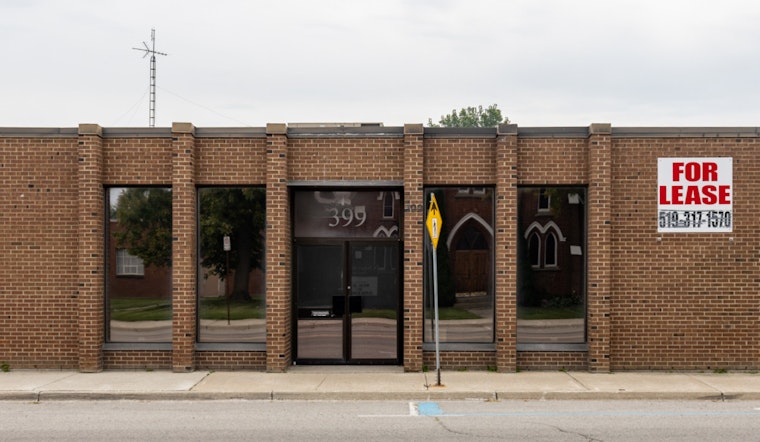
Retailers in Greater Boston tapped the brakes hard on new leases in the April to June quarter, dragging signed retail deal volume down to its lowest point since 2021 and leaving more empty windows across the urban core. The pullback hit everyone from national chains to smaller lifestyle brands, interrupting what had already been a slow and uneven comeback for downtown shopping streets. Landlords and city officials say the shift is deepening the gap between busy neighborhood corridors and central districts that are still struggling to bounce back.
CoStar data shows sharp pullback
According to CoStar, second quarter retail leasing volume in Boston slid to a five year low as retailers pulled back on expansion in the region. CoStar’s market analytics highlight a drop in signed leases across apparel, accessory and lifestyle tenants that had powered much of the post pandemic rebound. The report is subscriber only, but its main takeaway tracks with other signs that Boston’s retail market has cooled in recent months.
Leasing slump mirrors national slowdown
Nationally, asking rent growth for retail lost momentum in the second quarter, with CoStar data showing year over year gains slowing to roughly 1.6%, the weakest pace in more than a decade, according to Business Wire. Higher interest rates and softer discretionary spending have pushed many chains to delay or scale back new openings, industry analysts say. Against that backdrop, it is not exactly shocking that demand for Boston storefronts faded as the quarter wore on.
Downtown shows the strain
The slowdown is playing out unevenly across Boston’s central retail corridors. The city has rolled out programs and grants aimed at filling empty storefronts, including a reported $2.8 million package to activate vacant retail spaces, according to reporting by The Boston Globe. On high rent blocks, some landlords are opting to sit on vacant space while they hold out for larger, trophy tenants, a strategy that can leave smaller local retailers effectively locked out. City officials, brokers and neighborhood groups say it may take coordinated incentives and more flexible lease structures to close the gap between what landlords want and what tenants are willing to pay.
Where tenants are still signing
Even with the pullback, there are still bright spots. Market research points to new openings and lease deals in Back Bay and parts of the Seaport, where experiential concepts and flagship stores continue to plant their flags, according to a Boston market note from Marcus & Millichap. Brokers say those pockets benefit from steady foot traffic, hotel demand and destination retail that can still justify higher rents. In many other submarkets, though, leasing has slowed and landlords are rethinking both pricing and deal terms.
What landlords and retailers are saying
Local brokers who work the storefront circuit describe a broad market reset as capital providers and national chains grow more selective about which locations make the cut, according to commentaries and industry notes collected by Boston Realty Advisors. That shift is showing up in tougher negotiations over tenant improvement allowances, shorter or more flexible lease lengths and stronger interest in service oriented or experiential uses that can pull people in off the sidewalk. Analysts say the near term outlook is likely to stay uneven: seasonal bumps could provide brief lift, but ongoing pressure on discretionary spending categories may keep leasing activity muted until demand finds a firmer footing.





