

























































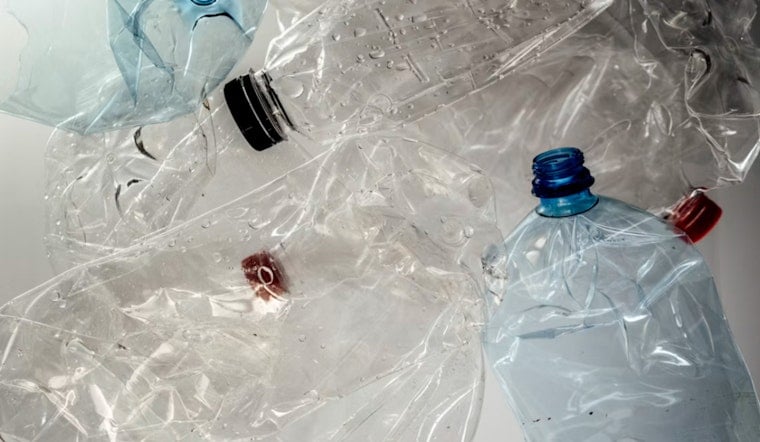
A public hearing Wednesday on D.C.’s proposed bottle bill quickly turned tense, splitting council members and a packed room between river advocates and wary business owners. Supporters praised the measure as a way to clean up local waterways and make producers pay for pollution, while brewers, retailers and an economist warned it could bury small businesses in new costs and red tape. The fault line was clear: who pays for cleanup and how far the District should go to pull plastic and cans out of the Anacostia and other local waters.
What the bill would do
The Recycling Refund and Litter Reduction Amendment Act would tack a refundable 10-cent deposit onto most beverage containers sold in the District and create a nonprofit stewardship organization, funded by beverage distributors, to run the redemption system under Department of Energy and Environment oversight, according to The Washington Post. Backers say the setup would give both residents and informal collectors a reason to return empty bottles and cans, dramatically boosting local recycling rates. The Return, Refund and Recycle coalition argues that most containers in D.C. currently go unrecycled. 3RC for DC highlights the sheer volume at stake, noting advocates’ estimate that hundreds of millions of containers could be pulled out of the trash stream each year in a city that buys roughly 617 million beverage containers annually.
Supporters point to cleaner rivers
Environmental advocates cast the bill as a practical cleanup tool, not a feel-good gesture. Christopher E. Williams, president of the Anacostia Watershed Society, joined other river boosters in telling council members that states with bottle deposits see sharp drops in container litter and higher return rates. They argue that pattern would show up along the Anacostia and Potomac too, in the form of visibly cleaner shorelines. Anacostia Riverkeeper has chronicled advocacy pushes, including boat tours and testimony, meant to spotlight volunteers’ haul of discarded bottles and explain why proponents see a deposit system as crucial for local waterways.
Businesses warn about costs, fraud and complexity
Small retailers, restaurants and some brewers told a very different story, arguing at the hearing that the plan could hit local businesses with registration fees, packaging changes and new handling duties. Right Proper Brewing's co-founder warned his business “cannot pay another government fee,” and economist Mary Donovan presented a study, paid for by the DC Association of Beverage Alcohol Wholesalers, that pegs startup costs around $57.6 million and ongoing annual expenses at about $38 million while flagging fraud concerns and solvency risks. Council discussion also dug into an amended version of the bill that adds exemptions for some small businesses and caps how many containers a single redemption site can take in a day. Supporters describe those tweaks as necessary guardrails, while opponents argue they could undercut the program’s reach, according to DC News Now.
Next steps and timeline
The bill has already been reworked since it was first introduced last year and now heads through committee before any full Council vote. Sponsors and agency staff have talked up a phased rollout to give time for equipment purchases, retailer sign-ups and for the stewardship group to get off the ground. Sponsor materials and legal analyses describe a multi-year implementation window, with some backers eyeing 2028 as a realistic launch date so both retailers and the District can get ready.
Whether the District’s bottle bill survives the legislative process will come down to whether council members accept the pitch that producers should shoulder the cleanup bill, and how tightly they draw exemptions for corner stores and on-site food and drink businesses. More hearings and more testimony are on the way, with environmental stakes for the rivers and economic stakes for neighborhood businesses across D.C.





