

























































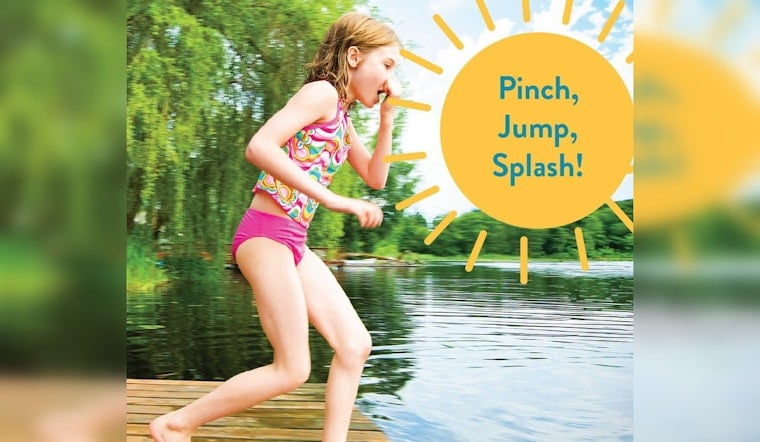
Summer lake days in Minnesota just picked up a new catchphrase: "Pinch, jump, splash." The easy-to-remember reminder is meant to keep water out of swimmers' noses as people flock to lakes during a hot stretch with low water levels, conditions that are friendlier than anyone would like for heat-loving microbes.
What Minnesota Health Officials Posted
The slogan rolled out Wednesday in a Facebook post from the Minnesota Department of Health, which urges swimmers to do a few simple things: pinch your nose or use a nose clip, skip dunking your head under water, and avoid shallow, warm spots where stirring up the bottom can kick sediment and microbes into the water column.
The post links to guidance that tracks closely with the agency's naegleria fact sheet. The Minnesota Department of Health fact sheet also reminds people to use boiled, filtered, or distilled water for nasal rinses and notes that limiting how much water goes up the nose is the key step to cutting risk.
How the Ameba Infects and How Common It Is
Naegleria fowleri infects people when water containing the ameba is forced up the nose, then travels to the brain and causes primary amebic meningoencephalitis (PAM), a fast moving and often fatal disease. According to the CDC, infections are extremely rare but tend to cluster in July and August, which is why public health messaging ramps up in mid summer.
New Research Finds the Organism in Thermally Influenced Waters
A multiyear, multiagency study published this year found N. fowleri in thermally influenced recreational waters across several western national parks, detecting the organism in roughly one third of samples and in high profile spots such as Yellowstone and Lake Mead. The peer reviewed paper, posted by National Parks Traveler, reinforces that warm, shallow or thermally impacted sites can harbor the ameba, and both the study and coverage of the ameba in Yellowstone and Lake Mead argue for targeted monitoring and clear public awareness rather than sweeping closures.
Splash Pads and Treated Water Can Be Risky When Maintenance Fails
Not every exposure happens in a natural lake. A CDC MMWR investigation detailed a fatal PAM case in 2023 linked to a splash pad where disinfection was inadequate and operational records were spotty, a reminder that recirculating systems can become hazardous when maintenance that should be routine falls apart. The CDC report recommends following model aquatic health codes and maintaining proper chlorination and record keeping for splash pads and pools.
Symptoms and When to Seek Care
Early symptoms of PAM include headache, fever, nausea, and vomiting, and can progress within days to stiff neck, seizures, and confusion. The Minnesota Department of Health and federal guidance tell anyone who develops sudden fever and a severe headache after freshwater exposure to seek medical care right away, since rapid diagnosis and treatment are critical.
Practical Precautions for Minnesota Swimmers
Health officials stress that a few low tech habits go a long way. Hold your nose or use a nose clip when you jump into warm freshwater, keep your head above water while wading or soaking, and avoid stirring up the bottom where sediment collects. If you use saline rinses, mix them only with boiled and cooled, properly filtered, or distilled water, and take a minute to check local advisories and water conditions before you head out.
The bottom line from state experts is that the odds of PAM remain extremely small, but the illness is so severe that spending a couple of seconds to "pinch" your nose is a pretty easy bargain for Minnesota's lake season.



