

























































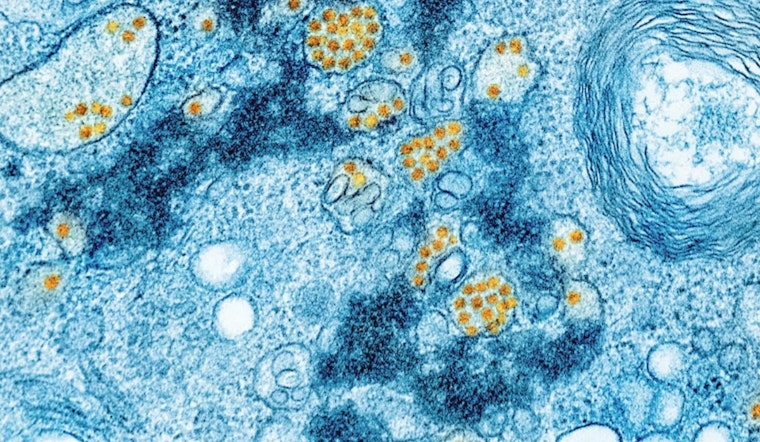
A new federal study has confirmed the presence of Naegleria fowleri, better known as the so-called "brain-eating" amoeba, in hot springs and other warm recreational waters across several Western national parks, including Yellowstone, Grand Teton, and Lake Mead. Scientists screened dozens of thermally influenced sites and found the organism in roughly one-third of samples, with most positive hits turning up in remote or low-use thermal areas rather than crowded swim beaches. The takeaway for summer visitors who like to soak, wade or splash in shallow warm water: pay attention, not panic.
What The Study Tested And Where
The multiyear, multi-agency project analyzed 185 water samples collected from 40 thermally affected recreation sites spread across five western national parks and recreation areas. Naegleria fowleri showed up in about 34% of those samples, with confirmed detections in Lake Mead, Yellowstone, and Grand Teton. According to the U.S. Geological Survey, concentrations in positive samples ranged from about 4.9 to 115.7 cells per liter, and the amoeba was detected in hot springs, rivers, and other thermally influenced waters. Sampling took place between 2016 and 2024, and researchers used qPCR along with sequencing to confirm that N. fowleri was present.
How Infection Happens And How Rare It Is
Infection is not about swallowing the water; it is about water being forced up the nose. When contaminated water goes up the nasal passages, Naegleria fowleri can travel along the olfactory nerve into the brain, causing primary amebic meningoencephalitis (PAM). The disease is extremely rare. The Centers for Disease Control and Prevention reports 167 PAM cases in the United States between 1962 and 2024, with only four known survivors. Symptoms can appear 1–12 days after exposure and often progress quickly to coma and death within days. That mix of very low odds and very severe outcomes is why public health officials focus on targeted precautions instead of shutting down whole parks.
What Park Managers And Scientists Are Saying
The study authors concluded that "These findings indicate that N. fowleri is present in thermally impacted areas across the western United States and underscore the use of enhanced monitoring, public awareness, and risk management strategies in thermally influenced waters," according to ACS ES&T Water. In a statement reported by The Independent, the National Park Service said the results "are consistent with what’s known about Naegleria fowleri in warm freshwater environments" and added that "the study does not prompt any new nationwide warnings." Researchers note that many positive samples came from remote or lightly visited springs, although a few sites had concentrations similar to locations previously linked to human cases, which is why they say visitors should be informed and cautious.
How To Reduce Your Risk
Simple behavior tweaks can greatly cut the already tiny risk. Avoid getting water up your nose, hold your nose or use nose clips when jumping or diving, and keep your head above water when soaking in hot springs. For nasal rinsing, the CDC recommends using water that is distilled or sterile, tap water that has been boiled for 1 minute (3 minutes above 6,500 feet), or water filtered with an absolute pore size of 1 micron or smaller. See the CDC for details on safe sinus rinsing. Park visitors are also advised to pay attention to local advisories and to avoid digging or stirring up shallow bottom sediments where heat-loving organisms can concentrate.
Why This Matters Now
The paper, published online in March 2026, looks at samples collected from 2016 through 2024 and notes that warming waters could expand the ecological niche for N. fowleri, potentially pushing its range northward and into additional waterbodies. According to ACS ES&T Water, the authors call for broader surveillance and site-specific risk management so parks can balance access and safety as summer visitation ramps up. The findings are not a prediction of a sudden spike in human cases, but they do highlight a climate-linked risk that public health agencies are keeping a close eye on.
Practical Steps Before You Go
Before heading out, check each park’s website and social media channels for any current advisories, and steer clear of warm, shallow areas where geothermal heating or sluggish flow can concentrate organisms. The U.S. Geological Survey notes that individual parks will assess their own conditions and may issue visitor advisories or take management actions if needed. If you have chronic sinus issues and use nasal rinses, stick with distilled or properly boiled or filtered water, and follow the manufacturer’s instructions for cleaning and maintaining irrigation devices.




