

























































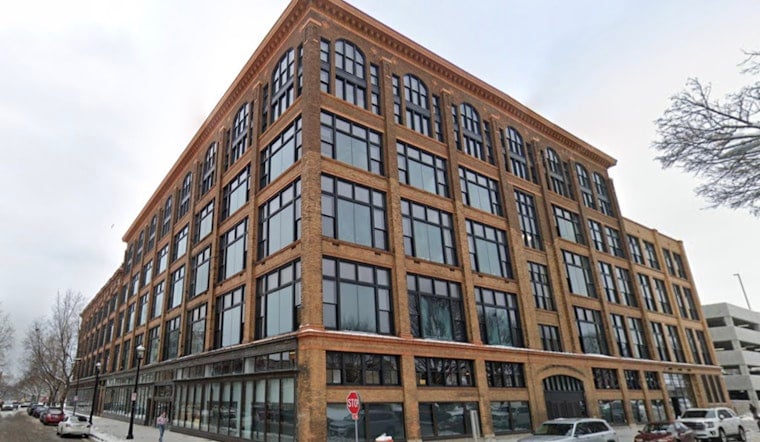
The Medical College of Wisconsin is planting what it calls Wisconsin’s first Trauma Recovery Center inside ThriveOn King on King Drive in Bronzeville, setting up a one-stop clinic for survivors of violence that pairs trauma-focused therapy with case management and community navigation. The idea is simple, even if the need is anything but: bring culturally responsive mental health care into a neighborhood hub where people already go for jobs, child care and community programs, and wrap clinical treatment together with help for housing, benefits and other real-life hurdles that can stall recovery.
Where the center will sit
The clinic is slated for the ThriveOn King development at 2153 N. Dr. Martin Luther King Jr. Drive in Milwaukee’s Bronzeville neighborhood, a restored former department-store building that now houses community programming and anchor tenants. As reported by the Milwaukee Business Journal, MCW says the new clinic will be the first Trauma Recovery Center in Wisconsin. ThriveOn Collaboration describes the site as a community hub for health, arts and neighborhood services that helps anchor the King Drive corridor.
Funding and partners
MCW’s Trauma and Acute Care Surgery psychology program secured backing to develop a Milwaukee Trauma Recovery Center through the National Alliance of Trauma Recovery Centers, according to the alliance’s membership directory. The National Alliance of Trauma Recovery Centers lists the Medical College of Wisconsin as a 2026 member coming online in Milwaukee.
The work is also getting a boost from the Advancing a Healthier Wisconsin Endowment, which awarded a Momentum Grant to a project titled “Enhancing the Impact of the MKE Trauma Recovery Center for Survivors of Violence.” That funding supports training, an intensive case manager and an implementation evaluation to see how the model plays out on the ground. The Advancing a Healthier Wisconsin Endowment project page lays out the award details and goals.
How Trauma Recovery Centers work
Trauma Recovery Centers are built around removing the usual obstacles to care. Assertive outreach, flexible meeting sites, case management and coordinated clinical services are core pieces of the model, which is designed so that survivors are not left to navigate a maze of agencies on their own.
California briefing materials and expert panels that helped seed the TRC approach emphasize a “no wrong door” principle and outreach beyond clinic walls to reach people who would otherwise fall through service gaps. Public health and trauma care guidance also points out that post-injury screening and evidence-based mental health treatment can reduce readmissions and improve long-term outcomes. Meeting minutes from the California Victim Compensation Board and best practice guidelines for trauma centers help underpin that approach.
Hiring and next steps
To get the Milwaukee center off the ground, MCW has started recruiting clinicians, posting openings for a trauma and acute care surgery clinical psychologist along with multiple clinical social worker roles that will staff the TRC. The college’s job posting notes that “50% of this position will be in the MKE TRC,” signaling that staff time will be split between the new site and existing trauma services at the Milwaukee Regional Medical Center. Listings from the Medical College of Wisconsin emphasize culturally responsive care, supervision, and a mix of individual and group treatment paired with intensive case management.
Why Milwaukee needs one
Local funders and researchers point to persistent violence and the mental health burdens that come with it as a key reason to put a TRC in the neighborhood rather than only on a hospital campus. The project brief for the MKE TRC notes that violence is among Wisconsin’s top five causes of death and estimates hundreds of millions in annual disability costs tied to violence. The funded project is explicitly designed to connect clinical care with services that address social determinants of health, according to the Advancing a Healthier Wisconsin Endowment.
MCW and ThriveOn partners say the clinic will open in phases as staffing, training and the implementation evaluation move forward, with more detailed timelines and referral procedures still to come. For survivors and neighborhood providers, the center is shaping up as a new, locally based option that pulls therapy, navigation and practical help under one roof.




