

























































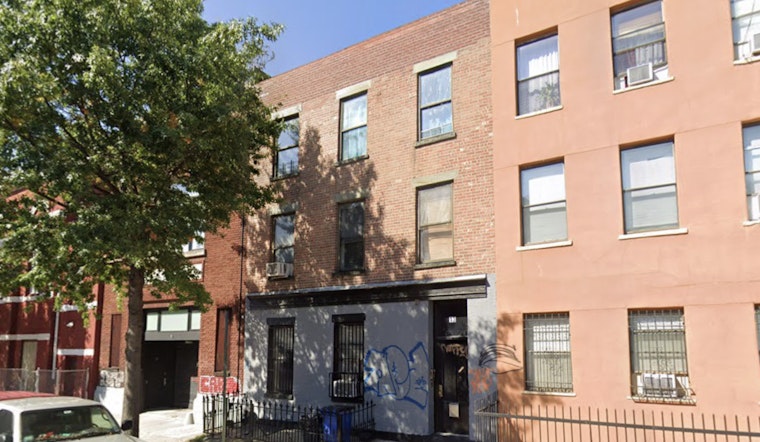
A New York judge has kicked a Florida resident out of the driver’s seat at a three-unit low-income co-op in Williamsburg, ruling she forged paperwork and siphoned off hundreds of thousands of dollars in tenant rent. Justice Verna L. Saunders stripped Jessica Vargas of any authority over the Housing Development Fund Corporation at 13 Scholes Street and ordered that money obtained illegally be returned, after a state probe focused on keeping the building in the affordable housing column.
Court moves to reclaim control
New York County Supreme Court Justice Verna L. Saunders issued an order removing Vargas from any management role and blocking her from trying to sell the property, as reported by The Real Deal. The ruling also directs Vargas to surrender any illegal profits and other unjust enrichment to the co-op while a special referee untangles the numbers.
The referee’s appointment means the court, not Vargas, will now oversee a detailed accounting of what came in and what went out before a final judgment is entered.
What the Attorney General’s filings say
According to a verified petition filed by the Office of the New York State Attorney General, Vargas created bogus corporate documents that claimed she was the sole shareholder, president and managing agent of the HDFC. The filings say she then moved at least $442,000 in tenant rental income into personal accounts between 2018 and 2021.
The Attorney General first sued Vargas in March 2025, seeking injunctive relief, disgorgement and removal of her as an officer in order to preserve the co-op for low-income New Yorkers, according to that petition.
Restitution, referees and the accounting ahead
The court’s order requires Vargas to give up any alleged ill-gotten gains and leaves the final dollar figure to the court-appointed referee, according to The Real Deal. That process will include a close look at rental receipts, payments to family members and other enrichment the petition describes. If the referee finds Vargas owes restitution, the court can enter a final judgment requiring repayment along with permanent injunctive relief.
How small co-ops become targets
Court papers and local reporting trace the dispute back to a long lull in formal governance at the building. After several original shareholders died, regular board meetings and basic oversight faded, creating gaps that the petition says were exploited.
Brownstoner and AG’s 2025 lawsuit coverage note the property was set up as an HDFC in 1996 specifically to stay affordable. The reports also point out that limited-equity co-ops with thin or nonexistent oversight can be easy marks for title and management fraud.
Legal posture and next steps
The Attorney General’s civil case asks the court for permanent injunctive relief, removal of any officer status Vargas claims and disgorgement of rents and other unjust enrichment, according to the office’s filings. The petition set at least $442,000 as a starting point for restitution and requested a full accounting to determine the exact amount.
The appointment of a special referee signals the court plans a careful, document-by-document review before entering any final monetary judgment. Local outlets report that eviction proceedings tied to competing ownership and management claims were put on hold while the Attorney General investigated, and reporters were not immediately able to reach Vargas for comment. For now, the fate of 13 Scholes Street sits with regulators and the court while the accounting and any future remedies play out.


