

























































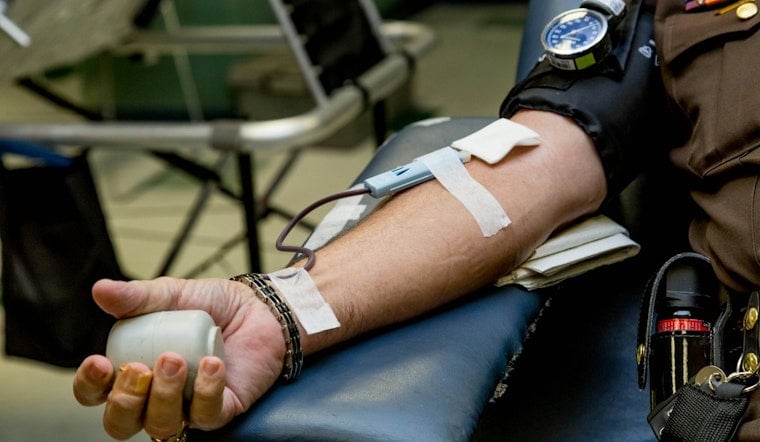
When a major crash or medical emergency hits in Chesterfield, paramedics with the Monarch Fire Protection District can now start blood transfusions before the ambulance ever rolls through hospital doors. The district has begun stocking blood and plasma on EMS captain vehicles so crews can treat patients with severe bleeding from car wrecks, childbirth complications and other life-threatening emergencies on the spot. Officials say getting “hospital-level” care onto neighborhood streets cuts precious minutes in situations where those minutes can decide whether a patient lives or dies.
As reported by First Alert 4, Monarch is rolling out the program with blood center partner ImpactLife, a move that required specialized paramedic training, daily checks of blood storage and new paperwork procedures. The district’s deputy chief of EMS told the outlet that intravenous fluids alone are not enough for some patients who lose large volumes of blood, and crash survivor Jamie Rizzo credited a field transfusion with keeping her alive. “To be able to give my body what it needed before getting to the hospital absolutely saved my life,” Rizzo said.
How the program works
Monarch outfits its fast-response captain vehicles with temperature-controlled units that carry blood and plasma, so paramedics can begin transfusions at the scene or while heading to the hospital. ImpactLife, the regional nonprofit blood center that supplies hospitals and EMS agencies in the area, has partnered on similar efforts and works with departments on cooler logistics, universal-type blood inventory and donor drives. The mix of portable coolers, added training and medical oversight is designed to keep those on-scene transfusions safe, monitored and fully traceable.
Missouri agencies are rolling out similar programs
Monarch is not alone in taking blood straight to the curb. The district’s move follows a prehospital blood program launched last October by the St. Charles County Ambulance District. According to SCCAD, that agency placed blood and plasma on its battalion-chief vehicles and created new protocols to govern storage and transport. Trade publication JEMS reported that SCCAD medics have already used the program to treat dozens of patients since it went live, a sign that the prehospital blood model is quickly spreading across the region.
Why early transfusion matters
EMS leaders point to a growing body of research suggesting that getting blood into a bleeding patient sooner can change the trajectory of hemorrhagic shock. A systematic review of prehospital transfusions and fluid strategies found that delays in blood administration were linked to higher odds of death, with one analysis citing roughly an 11 percent increase in mortality for each minute of delay in some study data. That kind of math has pushed local agencies and blood centers to invest in specialized coolers, additional training and donor outreach so that blood is available when the worst emergencies hit.
Monarch plans to track patient outcomes and coordinate closely with local hospitals as the program ramps up across Chesterfield, and district leaders stress that community blood donations are a critical piece of keeping it running. ImpactLife maintains information and resources for donors throughout the region, including tools to find nearby blood drives and donation centers. For more on Monarch’s services, visit the Monarch Fire Protection District or contact the agency’s public information office.




