

























































A leadership shake-up is rippling through one of Chinatown’s most influential institutions, as Donald Luu, president of the Chinese Chamber of Commerce of San Francisco, quietly stepped down from the presidency in early June while staying on the board. His move is emerging in public view just as a series of legal filings and a formal complaint accuse chamber leaders and staff of sexual harassment, covert recordings and retaliation. The mounting controversy has pushed the board to install an acting president and bring in outside help to investigate while the dispute plays out in court and in the community.
Judy Lee, the chamber’s program director and a member of the city’s Building Inspection Commission, has filed a formal complaint alleging harassment and retaliation, according to her lawyer. The Board of Supervisors approved Lee’s commission appointment in November, according to the meeting transcript (Board transcript). Three employees, Lainar Chan, Mavis Ngo and Christine Hui, filed a June 5 lawsuit accusing the chamber of negligence and invasion of privacy after they reported discovering a covert recording device in the office, and Luu has since responded with a defamation suit against Lee. Those developments were reported by The San Francisco Standard.
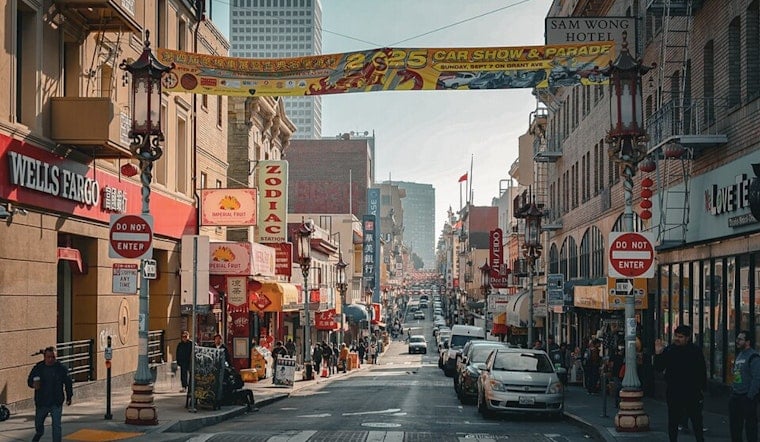
The Chinese Chamber of Commerce of San Francisco is a nearly century-old organization that runs Chinatown’s festival and parade calendar and remains a central civic force in the neighborhood. The chamber’s board listing shows Luu as its president for 2025–26, according to the Chinese Chamber of Commerce’s board page, and local coverage has repeatedly highlighted the group’s role in staging the city’s Chinese New Year celebrations, including Lunar New Year festivities amid economic hurdles.
Board member Robert Chiang has been tapped as acting president while the organization coordinates an outside review, and the board says an independent third party has been brought in to investigate the complaints. The moves are meant to stabilize day-to-day operations as the lawsuits move through the courts and as community figures watch for any fallout on upcoming events. The chamber has weathered serious controversies in the past, and some longtime observers suggest the current dispute could again reshape Chinatown’s leadership. Reporting on those steps was published by The San Francisco Standard.
Legal Questions And Possible Exposure
The civil claims center on alleged privacy intrusions and negligence tied to the reported recording device in the chamber’s office. Under California law, it can be both a crime to record a confidential communication without the consent of all parties and a basis for civil damages. See California Penal Code §632 (criminal eavesdropping) and Penal Code §637.2 (civil damages for invasion-of-privacy violations). Separately, defamation suits require proof that a factual statement was false and caused reputational harm, and California’s anti-SLAPP procedures and public-figure standards can influence how those cases unfold. Penal Code §632, §637.2, and legal primers, including guides on California defamation, outline the statutory framework.
The chamber has said it retained an outside investigator and named an acting president, while community leaders say they expect the dispute to be sorted out in court rather than in press releases. With multiple civil filings and a separate defamation claim now pending, the legal battles could drag on for months and may end up shaping who leads Chinatown’s most visible civic institution.





.jpg)