

























































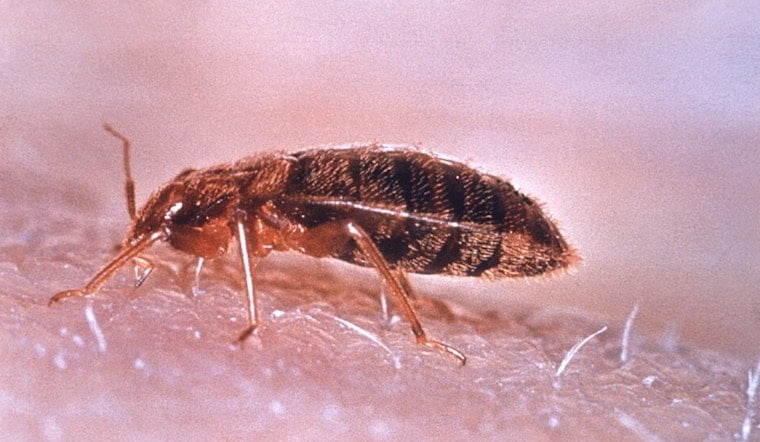
Cincinnati has landed a dubious summer distinction: The city ranks No. 2 nationally for bed bug activity in a new pest-control report, and Hamilton County has already logged 19 complaints this year. County officials say the tally likely misses cases, since many infestations stay private until they become costly problems.
The ranking comes from service visits rather than a government census of every infested home. According to FOX19, the list uses 2025 data from Rentokil-owned Terminix branches, with Philadelphia at No. 1, Cincinnati at No. 2 and New York at No. 3. Terminix’s report also notes that its branches do not operate in every state.
That caveat matters because different pest-control companies are measuring different slices of the problem. Orkin’s 2026 list, based on treatments performed from May 12, 2025, through May 12, 2026, placed Cincinnati at No. 15, suggesting the rankings are better understood as warning signals from company data than as a precise citywide infestation rate.
Why Bed Bugs Keep Turning Up In Cincinnati
Jeremy Hessel, environmental health director at Hamilton County Public Health, told FOX19 that bed bugs are “hitchhikers” and can affect anyone, regardless of how clean a home is. The reddish-brown insects are about the size of an apple seed, can hide in furniture and mattress seams, and may survive for months without feeding.
The health threat is usually less about disease than disruption. The Centers for Disease Control and Prevention says bed bugs are not known to spread disease, but bites can cause itching, lost sleep, anxiety and, in some cases, allergic reactions.
What Residents Should Check And Do
Possible warning signs include live bugs, shed exoskeletons, dark fecal marks or rusty stains around beds and upholstered furniture. Itchy marks after sleeping can be a clue, but the U.S. Environmental Protection Agency recommends looking for physical evidence rather than relying on bites alone.
Residents who find signs should wash and dry clothing on high heat, vacuum around bed frames, and carefully dispose of vacuum contents. Steam can help treat cracks and fabrics, but the EPA warns against dangerous home-heating methods and says professional help may be needed when an infestation is established.



