

























































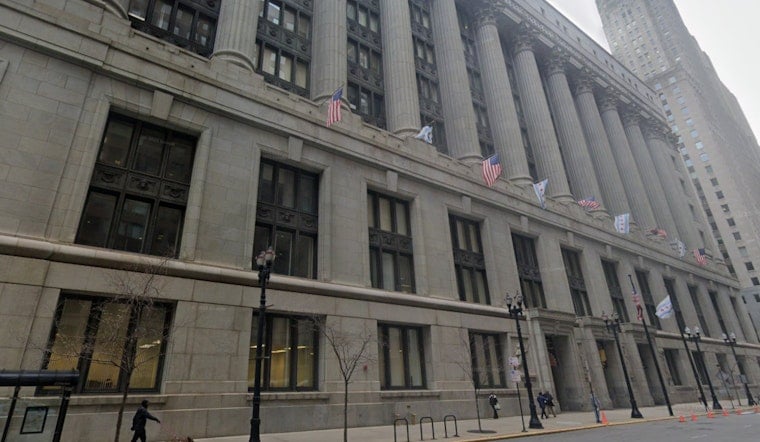
Chicago aldermen are moving to slam the door on City Hall insiders trying to make a quick buck on online prediction markets like Kalshi and Polymarket. The City Council’s ethics committee has advanced an ordinance that would bar city employees and elected officials from using nonpublic information to place bets on those platforms, amid worries that people with access to confidential data could quietly wager on everything from zoning fights to development timelines.
The measure, introduced by Ald. Timmy Knudsen, sailed through the council’s ethics committee on a unanimous voice vote and is expected to head to the full City Council for a final vote next week, according to the Chicago Tribune. Knudsen told colleagues that “the work that we do within City Hall ... is innately sensitive and often confidential,” while Ald. Maria Hadden added that “you can’t watch a sports game without something coming up, Kalshi dominates my TikTok feed.”
What the ordinance would ban
Under the proposal, city workers and elected officials would be barred from using nonpublic, job-related information to place wagers on prediction markets, which are platforms that offer yes-or-no contracts tied to real-world events. Both Kalshi and Polymarket feature markets on local policy and politics, from stadium deals to potential mayoral moves. Polymarket’s wide “Democratic Presidential Nominee 2028” market currently prices J.B. Pritzker at roughly one to two cents, and Kalshi has publicly fined and suspended political candidates for betting on their own races, according to Polymarket and reporting by AP News.
The City Hall push follows a series of state and federal efforts to clamp down on prediction markets. In April, Gov. J.B. Pritzker issued Executive Order 2026-04, which bans Illinois state employees from using nonpublic information to participate in prediction markets, and the Illinois Gaming Board has sent cease-and-desist letters to some platforms. At the same time, the Commodity Futures Trading Commission has filed lawsuits to reaffirm federal jurisdiction over event contracts, a legal fight that could determine who ultimately polices exchanges like Kalshi. See the governor’s executive order, the Illinois Gaming Board notices, and the CFTC statement for more detail.
Legal and enforcement risk
Federal prosecutors have already tested the criminal side of prediction-market trading: the Department of Justice charged an active-duty soldier with allegedly using classified information to pull in roughly $400,000 on Polymarket, according to a DOJ press release. That episode, along with parallel CFTC enforcement actions and suits against state regulators, has pushed Congress and federal ethics officials to tighten the rules. Lawmakers in Washington have moved to bar members and staff from trading on prediction markets, raising the reputational and legal stakes for local officials who might be tempted to leverage inside knowledge. For background on those federal actions see the Department of Justice announcement and national coverage of congressional ethics moves.
Ald. Nick Sposato said he backed the measure in the end but still wondered how far it should go, asking why betting on his own reelection would be a problem, according to the Chicago Tribune. The ordinance does not yet spell out specific penalties or monitoring mechanisms, and officials expect the ethics office and the city’s legal department to hammer out compliance and enforcement rules if the Council signs off. If adopted, Chicago would join governors, Congress and federal regulators who are trying to write the rulebook for an industry that still straddles the line between financial markets and gambling.




