

























































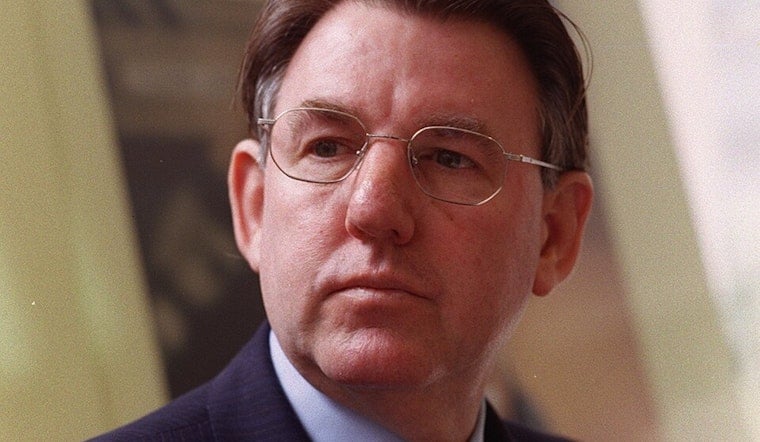
Clint Reilly, the veteran San Francisco political strategist turned real estate investor and owner of the San Francisco Examiner, died yesterday at 79, his company said. Over five decades, he went from running campaigns to owning downtown office buildings and event venues and eventually expanding into publishing. Memorial arrangements have not yet been announced.
As reported by The San Francisco Standard, Reilly was born in Oakland, raised in San Leandro and is survived by his wife, Janet, and daughters Jill and Ava. Willie Brown, who defeated Reilly in the 1999 mayoral race, told reporters that he was able and dedicated, and committed. Reilly operated comfortably in both campaign war rooms and high-profile civic settings, and over time, his name became shorthand for old-school political muscle in the city.
A Long Career in City and State Politics
Reilly rose to prominence as the founder of Clinton Reilly Campaigns and a go-to strategist for many Democratic campaigns, according to historical reporting. The Los Angeles Times documents his role advising high-profile candidates, and official records list the recall fights he helped oppose, including the 1983 mayoral recall and the 1993 to 1994 effort against State Sen. David Roberti, on the state recalls list from the California Secretary of State.
From Campaigns to Real Estate
In 1995, Reilly largely stepped back from full-time consulting and began building a downtown real estate portfolio, purchasing the Merchants Exchange building and renovating the 15th-floor Commercial Club into the Julia Morgan Ballroom. That purchase and the later upgrades are described on the Clint Reilly Organization site, and commercial real estate coverage notes that he continued to invest in the property. Commercial Property Executive later reported on refinancing moves tied to the building.
Publishing and Local Influence
Reilly expanded his footprint in local media after buying the Nob Hill Gazette in 2016 and acquiring the San Francisco Examiner in late 2020. That mix of publishing and property ownership has been covered by industry reporting, including The Real Deal, and the Examiner sale was documented by Dirks, Van Essen & April.
A Mayoral Race and Civic Footprint
Reilly ran for mayor in 1999 and lost to incumbent Willie Brown, but he remained a fixture in the city’s civic life, backing cultural projects, ballot measures and neighborhood campaigns. Local coverage followed his political work alongside his real estate moves and highlighted his long, sometimes contentious influence on San Francisco institutions, including reporting in the San Francisco Chronicle.
What His Death Leaves Behind
Reilly leaves a mixed legacy: a pioneer of modern political consulting, a downtown landlord who restored historic spaces, and a media owner whose stewardship of local titles reshaped San Francisco’s newsroom landscape. City officials, former clients and longtime rivals are expected to weigh in as memorial plans are finalized.





