

























































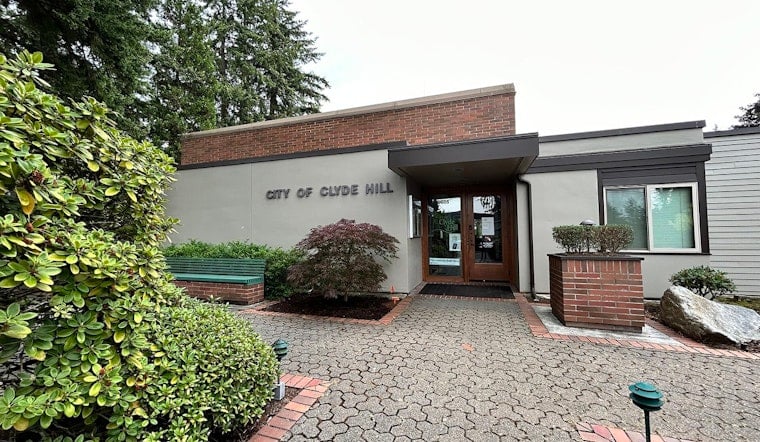
Clyde Hill leaders are floating a major property tax hike this summer, telling residents the tiny Eastside city has to boost revenue or risk running out of cash. City officials say the proposal is aimed at keeping local policing, land use control, and contracted fire service intact as operating costs climb faster than the revenue the city is allowed to collect. Without new money coming in, they warn, Clyde Hill's operating reserves could be depleted by 2030.
Council lays out the timeline
According to the City of Clyde Hill, the council is set to consider authorizing a ballot measure at its July 14 meeting and has extended the deadline for Pro and Con committee applications to July 8. A resident-led Financial Sustainability Task Force has recommended moving ahead with a levy lid lift to maintain current service levels and local control. If the council advances the idea, voters would decide this November whether to raise the city’s portion of the property tax.
Task force: a structural shortfall and two levers
City presentations and task force materials describe a structural budget gap built into the system. Costs rise faster than the 1% annual limit on regular levy growth, which leaves the city pinched even without big new programs. The city’s open house slides and financial planning documents show a projected funding gap of roughly $665,000 by 2030 and lay out two main levers to close it: creating a new stormwater utility to move certain expenses off the general fund, and asking voters to approve a levy lid lift. The same materials estimate that the average household impact of the combined package would land at roughly $600 to $1,000 per year, depending on the final mix of fees and taxes.
The levy on the table
The measure under discussion would raise Clyde Hill’s levy rate to $0.50 per $1,000 of assessed value, roughly a 69% jump from the current municipal rate, and would be the largest local property tax increase the city has debated in decades, according to The Urbanist. Council materials present the hike as a way to protect the city’s independent police force and its existing fire and EMS contract. Task force member Wayne Burns told council members that, without action, Clyde Hill “was going to go bankrupt or it was going to get absorbed by another city,” according to the same reporting.
Why this came to a head
State housing reforms passed in 2023 require many cities to allow middle housing types such as duplexes, and the Department of Commerce published a model ordinance to help local governments implement those mandates. The middle housing law and other unfunded state requirements are cited in the city’s financial planning as a driver of consultant and compliance costs. City planning and finance documents note that choosing to build a local framework instead of adopting the Commerce model has increased staff and consultant workload, and the bill for that extra work has added to Clyde Hill's budget pressure.
Legal and political stakes
The revenue push is unfolding while Clyde Hill also faces a legal appeal over its growth framework from the land use group Futurewise, a challenge that could complicate planning and compliance efforts. Local leaders have even floated other late stage options, including at one point withdrawing from the King County Library System, as ways to shift the tax burden, a tactic small neighboring towns have used before.
What comes next
If the council votes on July 14 to place the measure on the November ballot, the city will appoint Pro and Con committees and begin enrollment and outreach ahead of the county’s filing deadlines. The city’s levy planning materials also lay out the filing and election calendar for a November 2026 measure. Residents who want to serve on the Pro or Con committees must submit applications to the city clerk by 4 p.m. on Wednesday, July 8, according to the city notice, and the council is expected to select committee members at the July 14 meeting.
Bottom line for residents
The question in front of Clyde Hill voters is being framed as a tradeoff between decades of relatively low local taxes and keeping a small city’s services and autonomy intact. The council and task force say the levy would preserve the status quo for police, fire, and local control. Opponents will likely push for deeper cuts or service consolidation instead. The next two weeks of council meetings and committee appointments will shape the exact language that voters see on the November ballot.





