

























































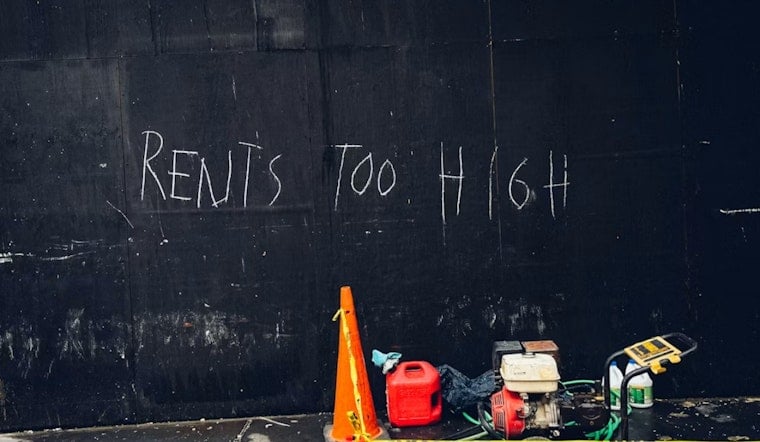
San Diego renters just felt the slightest tug upward on prices in June, with asking rents across the region edging up about 0.2% month-over-month to roughly $2,587 on average. It is a modest move after months of cooling and elevated vacancies, which means most tenants are looking at a small bump at renewal, not a gut-punch increase.
CoStar: Small Monthly Gains, Coastal Neighborhoods Out Front
According to CoStar, market-rate apartment asking rents ticked up 0.2% in June, lifting the average to about $2,587 per month. In that snapshot, coastal submarkets are doing the heavy lifting, leading the uptick while other parts of the metro show mixed performance. Some neighborhoods are seeing firmer pricing, others are still working through a slower leasing environment.
Different Trackers, Different Numbers
Not every rent tracker tells the same story in the same language. Zumper pegs the June metro median closer to $2,750 per month. That figure comes from active advertised listings, which is a different universe than the landlord-reported asking rents that professional data services track. Those methods help explain why one service shows a higher median while another lands on a lower market-rate average for the very same month.
Pipeline, Vacancies And A Crowded Lease-Up Market
An unusually large construction pipeline is still reshaping parts of the rental landscape. In its Q1 2026 multifamily report, Kidder Mathews reported a metro vacancy of about 5.4% and an average asking rate near $2,417 per unit. That combination signals that newly delivered inventory is giving renters more options. Developers brought a wave of units online in 2024-25, and many of those properties are still in lease-up, which is keeping pressure on owners to offer concessions in newer buildings.
Deliveries Piled Up In 2025 And Into 2026
Commercial reporting points to roughly 6,200 market-rate units delivered in 2025 and another 4,800 scheduled for 2026, a three-year delivery total big enough to move the needle in downtown and other lease-up-heavy submarkets. GlobeSt quoted local market analysts, including CoStar's Joshua Ohl, who linked that construction surge and crowded pipeline to the higher vacancies seen last year.
What Renters Should Watch
For tenants, the legal guardrails still matter as much as the market headlines. Under California's Tenant Protection Act (AB 1482), most annual rent increases are capped at the lower of 5% plus the regional CPI or 10%. Those limits come into play when landlords set renewal offers. For the fine print on who is covered and which properties are exempt, tenants can review the official bill text on the California Legislative Information site.
The bottom line: June's move is modest, but coastal and inland neighborhoods are not moving in lockstep. In high-demand coastal submarkets, some renters may still encounter steeper asking rents or trimmed-back concession packages. Keeping an eye on new lease-ups, asking directly about concessions, and tapping local tenant resources can help renters make sense of the next renewal notice that lands in the mailbox.



