

























































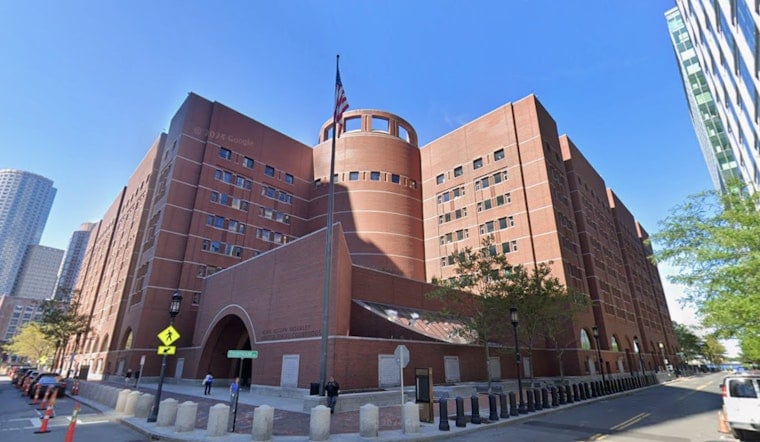
Three people are facing federal charges after authorities say they pulled off a brazen real-estate heist: stealing and selling a vacant Concord lot owned by Omar and Halla Jaraki, who only realized something was wrong when a house started going up on their land in 2024. Federal agents allege the suspects used forged identities and fake paperwork to seize control of the deed, then sold the property to unsuspecting buyers.
Federal prosecutors in Boston have charged Moshe Levi, 57, of Carrollton, Texas, with wire-fraud conspiracy and money-laundering conspiracy. Two others - Kyon James, 44, of Middleboro, Mass., and Bradley Beauge, 41, of Somerset, N.J. - are charged with money-laundering conspiracy. Prosecutors say the trio were arrested on July 16 and that the alleged scheme generated about $1.5 million in proceeds between June 2023 and June 2024. According to the U.S. Attorney's Office, District of Massachusetts, the wire-fraud conspiracy charge carries a potential sentence of up to 20 years in prison, while the money-laundering conspiracy count carries up to 10 years.
Omar and Halla Jaraki told WBZ's I-Team they first sensed trouble when they contacted Concord town hall about a tax bill and learned that builders were already at work on their lot. "They stole our dream," Omar told the station. The couple says the vacant parcel was worth roughly $1,000,000 but was sold for significantly less before construction began, and they have filed a civil lawsuit, as reported by CBS Boston.
Deed fraud has surged in the region
The FBI’s Boston Division has been sounding the alarm that quit-claim and deed-fraud schemes are on the rise, with Massachusetts victims reporting more than $46 million in real-estate fraud losses in recent years. To cut off scammers before they get too far, the bureau recommends title alerts, in-person identity checks at closings, and close attention to tax and utility bills that suddenly stop arriving, according to FBI Boston.
How prosecutors say the scheme worked
According to charging documents and reporting, the suspects allegedly hunted for vacant, unencumbered parcels in Massachusetts, Georgia, Indiana and Tennessee. They then created email and internet-telephony accounts, obtained forged driver’s licenses and passports in the real owners' names, and used those identities to persuade real-estate professionals to list and close sales. Prosecutors say the proceeds were pushed through a mix of individual and corporate bank accounts to obscure their origin, according to reporting by CBS Boston.
Court status and next steps
The case is being prosecuted by the U.S. Attorney's Office in Boston. After their initial court appearances, James and Beauge were released on conditions, while Levi was detained following an initial appearance in Kansas City, Mo. Assistant U.S. Attorney Seth B. Kosto is leading the prosecution, and federal authorities say additional proceedings and possible further charges could follow, according to the U.S. Attorney's Office, District of Massachusetts.
What homeowners and buyers should do
Real-estate attorneys and investigators say owners of vacant land in particular should not treat it as "out of sight, out of mind." They urge property owners to set up title alerts where available, routinely check county or registry records, and contact local registries promptly if tax or utility bills suddenly stop arriving. The FBI also recommends reporting suspected fraud to the Internet Crime Complaint Center (IC3) and getting in touch with law enforcement quickly, since early action can sometimes halt transfers or help claw back funds, according to FBI Boston.
The Concord arrests show a federal system now bearing down on a type of deed fraud that has quietly hit property owners across multiple states. As the Jarakis’ civil suit runs alongside the criminal case, courts will try to unwind how the lot changed hands and who bears the financial hit. For neighbors and other landowners, investigators say it is a blunt reminder to keep tabs on tax bills, title records and any unexpected activity on parcels that are supposed to be sitting quietly.




