

























































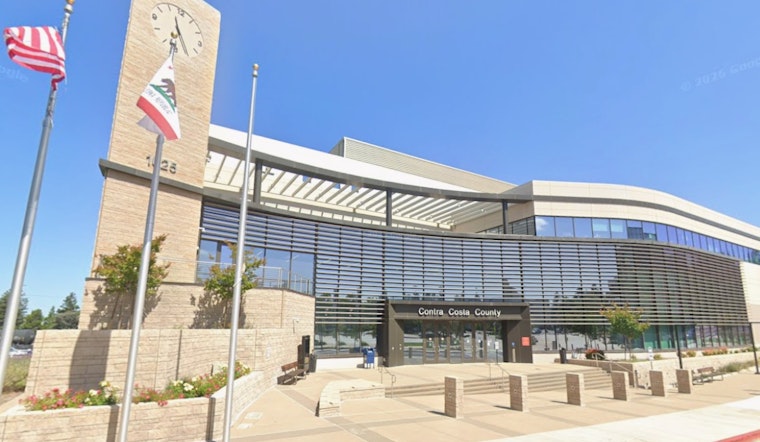
Tension between Contra Costa County and one of its largest unions just jumped a few levels. More than 2,000 county workers have voted overwhelmingly to authorize a strike as contract talks drag into the summer, the Teamsters announced last week. The strike authorization, approved by more than 90 percent of participating members, covers more than 250 county job classifications, from maintenance crews to licensed vocational nurses and health services staff. With the Teamsters' contract having expired at the end of June, negotiators are now heading back to the table under heavier pressure.
In a press release via PR Newswire, Teamsters Local 856 said members are prepared to walk off the job if the county does not agree to what the union calls a fair compensation structure. "Contra Costa County has consistently lagged behind neighboring jurisdictions when it comes to compensation," Matt Finnegan, Director of Public Services and the union's chief negotiator, said in the release.
The Teamsters' memorandum of understanding with the county shows the current contract term running through June 30, according to county records. Local News Matters reported the union's tally of more than 2,000 members and more than 90 percent support for the authorization, and noted the vote covers in excess of 250 classifications.
Which county jobs are in the vote
The strike authorization covers workers in health services, general services, maintenance and licensed vocational nursing, jobs the union says keep clinics, public buildings and day-to-day county operations running. Contra Costa County did not immediately respond to a request for comment, as reported by SFGATE.
Labor heat in the East Bay
The vote lands in the middle of a particularly hot labor season in the East Bay, including the ongoing strike at the C&H Sugar refinery in Crockett that has already seen arrests and confrontations at picket lines. The Crockett walkout has highlighted how local contract fights can quickly ripple into service disruptions and boost union leverage across the region, KQED reported.
Legal and practical implications
Public sector strike law in California is anything but simple. The Public Employment Relations Board has recognized that strikes by public employees can be lawful in some situations, while also allowing employers to seek court injunctions if a work stoppage poses a substantial threat to public health and safety. Legal analyses and union guidance note that a strike authorization vote is primarily a bargaining tool and does not automatically trigger a walkout, although it clearly raises the stakes for both sides, as reflected in relevant PERB decisions and commentary from the NEA on the limits and risks of public sector work stoppages.
Negotiations are scheduled to resume tomorrow, and the union has said it hopes to reach an agreement that avoids any service disruptions, SFGATE reported. If talks fall apart, the authorization gives the Teamsters a formal path to mobilize members, and county residents will be watching closely to see whether a deal is reached before picket lines start to appear.





