

























































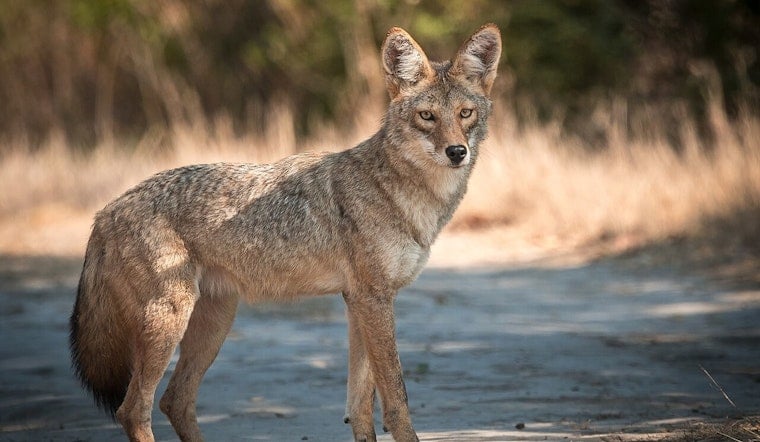
Michigan Avenue got an unexpected lunchtime stroller this week when a coyote calmly padded past Millennium Park, briefly stealing the spotlight from tourists and high-end storefronts on the Magnificent Mile.
The animal was spotted in broad daylight on Tuesday near the Museum Campus and crossing close to North Michigan Avenue and Van Buren Street, an area far more associated with tour buses and office workers than urban wildlife. Locals called it a strange sight for midday, though wildlife researchers say the timing actually lines up with seasonal coyote behavior.
An NBC Chicago photographer captured the coyote’s stroll, and the station aired video along with reactions from startled passersby. One visitor, caught on camera near the museum area, summed up the moment with, “Oh my goodness that’s crazy,” as the animal trotted along like it owned the block.
Chris Anchor, a senior wildlife biologist with the Forest Preserves of Cook County, told NBC Chicago he believes the coyote is part of a family with a den near the Museum Campus. With pups to feed, he said, the adults are “working feverishly trying to find enough food to keep their bellies full.” Anchor noted that coyotes generally try to steer clear of people and that attacks are rare when the animals are not being fed by humans.
Why Daytime Sightings Are Rising
Late spring and early summer is pup-rearing season, which pushes adult coyotes to hunt and forage more often in daylight, according to wildlife biologists. Cook County’s coyote population is estimated at around 1,700, and that relatively high density, combined with a steady supply of urban prey, helps explain why family groups occasionally pop up in busy corridors, Axios Chicago reports.
Despite a common fear that coyotes are after trash and leftovers, research and local experts say they mostly target small animals such as mice and rats. That diet can make them surprisingly useful predators in the city’s ecosystem. A long-running study of Chicago’s urban coyotes has also found that the animals learn traffic patterns and preferred routes to move through the city while steering around people, which helps explain those oddly calm street crossings during quieter moments, according to WTTW.
What To Do If You See One
Experts say the main rule is to give coyotes space. Keep small pets close or indoors, do not feed wildlife, and if you do encounter a coyote, stand your ground, make yourself look bigger, and make loud noises to shoo it away rather than running.
The Urban Coyote Research Project recommends simple steps to avoid conflicts and prevent coyotes from getting too comfortable around people, including securing trash and pet food and carrying a noise-maker on walks.
Other recent videos and reports have surfaced along the lakefront, including a clip at Montrose Beach that led Chicago Park District officials to remind visitors to leash their pets and avoid feeding wildlife. Coverage of that episode and similar sightings has been shared by Fox 32 Chicago and other local outlets, with officials urging residents to share verified information so the public can stay informed.
If a coyote appears fearless around people, seems habituated, or shows aggressive behavior, residents should contact Chicago Animal Care and Control or their local animal-control agency, Axios Chicago notes. Otherwise, wildlife experts say the best move is to keep your distance and let the animal continue on its way, a reminder that even the Loop is still shared territory with native wildlife.





.jpg)