

























































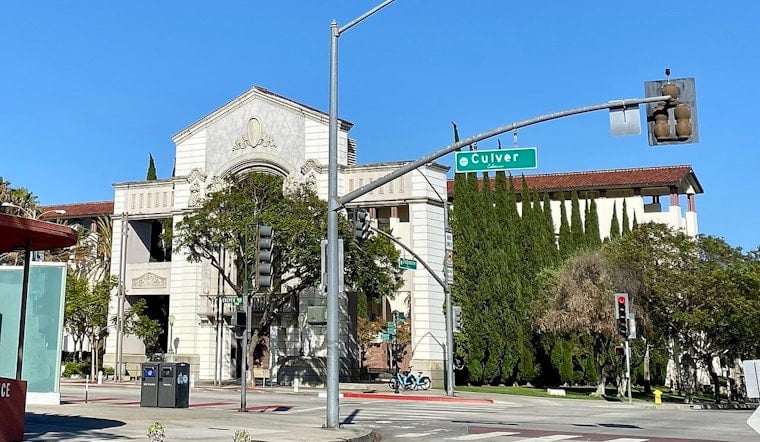
On Monday, July 13, 2026, the Culver City Council is set to decide whether to place a citizen‑filed sliding‑scale parcel tax on the November ballot under the “Culver City Public Schools Excellence in Education Act of 2026.” The proposal would levy $0.48 per square foot of building improvements, cap annual charges at $15,000 per parcel, and include exemptions for seniors and certain disability benefit recipients. Backers say the revenue, roughly $18 million a year, would support teacher pay, counseling, and arts and STEM programs across the district.
As reported by Culver City Crossroads, the petition was organized by an all‑volunteer group and is slated for the July 13 council agenda. That coverage notes organizers have submitted the petition paperwork to county election officials for validation, and that council action will determine whether the language appears before voters this fall. The Crossroads story also lists the volunteer steering committee that is leading the effort.
What the measure would do
According to the ballot initiative text filed with the city, the tax would be collected annually at $0.48 per square foot of improvements beginning July 1, 2027, with a $15,000 cap per parcel and a ten‑year term. The initiative text designates funds for teacher salaries, counseling and student support, arts and STEM programs, and creates an independent planning and oversight committee. It also allows senior exemptions and directs the district to reimburse the city for election costs if the measure passes. Ballot initiative text.
How it got here
The citizen group behind the push, Excellence for Culver City Schools, says it submitted more than 4,000 signatures to the city, which is well above the roughly 2,900 signatures typically required for a local initiative, and is now awaiting county verification. Excellence for Culver City Schools lays out the petition strategy on its site, and local reporting has walked readers through the county validation and city review steps that must occur before a measure can be added to the ballot. Culver Crescent notes the city will receive a staff report once the county finishes its check.
Budget context
Supporters say the measure responds to a structural shortfall in Culver City Unified School District’s budget after one‑time COVID relief funding and other temporary supports have wound down, leaving the district with multi‑million dollar deficits. City staff documents also show the city negotiated a $2.5 million donation to the district under conditions that include pursuing local revenue, and that a city budget amendment to cover such a donation would itself require a four‑fifths council vote. That budget pressure is central to why proponents say a new, locally controlled revenue stream is needed now.
Ballot mechanics and legal angle
There is a technical legal distinction between measures placed on the ballot by a local government and those enacted by voters through the initiative power. Recent court rulings mean some citizen‑filed special taxes can take effect with a simple majority, while taxes placed on the ballot by a legislative body are usually treated under Proposition 218’s two‑thirds rule. Because that legal background has been contested in recent years, opponents may litigate procedural and threshold questions if the campaign advances. See California Cannabis Coalition v. City of Upland for background on the precedent shaping that debate.
What to watch next
The City Council is scheduled to take up the petition at its meeting beginning at 7:00 p.m. on Monday. If the county certifies the signature count and any required reports are complete, the council can place the initiative on the November 3, 2026 ballot. City meeting materials list the schedule and procedural steps, and both supporters and fiscal skeptics say July’s council action will be the clearest signal of whether Culver City’s schools will see a new locally controlled revenue stream next year.





