

























































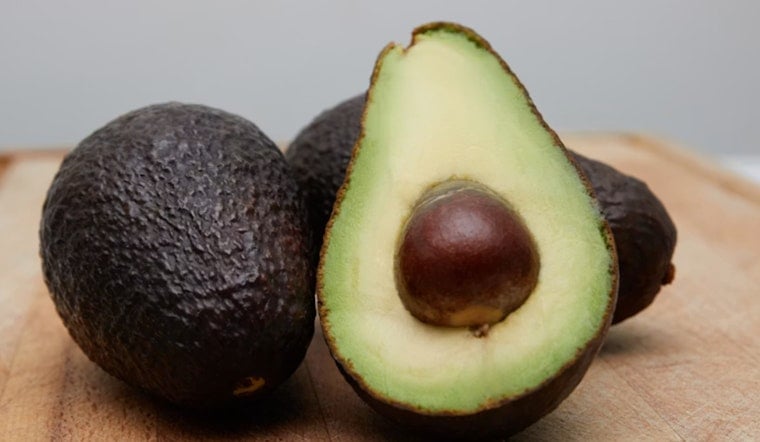
Guac fans just got a little scientific backup for their daily scoop. A new Penn State analysis of the Habitual Diet and Avocado Trial reports that adults with obesity who added one avocado a day for 26 weeks ended up with fewer atherogenic low-density lipoprotein (LDL) particles, a key marker tied to heart disease. The researchers say that drop in LDL particles lines up with about a 4% lower risk of cardiovascular disease, and it showed up without any change in body weight. On average, total LDL particle concentration fell by roughly 49 nanomoles per liter.
Study details and measures
The findings come from an ancillary analysis published online June 12 in the Journal of Clinical Lipidology. Investigators used fasting nuclear magnetic resonance spectroscopy to track lipoprotein particles in 786 adults with abdominal obesity, with 389 people assigned to the avocado group and 397 to a control group that stayed on their habitual diet. Compared with that usual diet, the avocado group showed a mean LDL particle reduction of −49.1 nmol/L (95% CI −83.6 to −14.5; P = .005).
What the researchers say
Lead author Janhavi Damani framed the results as a realistic tweak, not a miracle cure. “Making one small change might be a more feasible strategy,” Damani said, according to Penn State. The team stressed that the effect was modest but consistent across sex, race and age groups in the trial, and they urged people to work with health professionals for personalized guidance.
How big is the effect?
The authors estimate that the LDL particle reduction roughly translates to a 4% lower risk of cardiovascular disease, which they describe as a modest improvement compared with the larger risk reductions seen with broader diet overhauls. The study did not find between-group differences in LDL particle size, other lipoprotein subclasses or apolipoproteins, suggesting the change was selective to total LDL particle concentration. Those outcomes and the full statistical breakdown appear in the journal article’s results section.
Funding and study design
The multicenter Habitual Diet and Avocado Trial, described in PubMed Central, was supported by the Hass Avocado Board’s Avocado Nutrition Center, and the consortium discloses that funding and its role. Investigators report that the sponsor did not have direct access to raw study data or sole control over how the data were interpreted, but the funding relationship is clearly noted in HAT publications and related papers. Readers are encouraged to keep that context in mind alongside the trial’s randomized design when weighing the findings.
How this fits with past research
The new analysis lines up with earlier epidemiological work that ties avocado intake to lower cardiovascular risk. A pooled analysis of United States cohorts found that eating avocados two or more times per week was associated with about a 16% lower risk of cardiovascular disease and a 21% lower risk of coronary heart disease, according to research in the Journal of the American Heart Association. Those studies, like randomized feeding trials, point to potential benefits when avocados replace foods that are higher in saturated fat.
What to consider before starting a daily habit
An average Hass avocado comes in at roughly 200 to 300 calories, so simply tacking one onto your usual meals could bump up daily calorie intake. Nutrition experts quoted in Penn State’s coverage suggest treating an avocado as a swap for less healthy fats or snacks, not as a bonus item piled on top of an unchanged diet. For a consumer-focused overview of the study, see FOX 10 Phoenix.
The researchers also note that this finding does not replace medical treatment for people with high LDL levels or established heart disease. Medications with proven benefit and structured clinical care remain central to treatment. Anyone considering diet changes to manage cholesterol should talk with a registered dietitian or physician to work avocado, or any other food, into a full, evidence-based plan.


