

























































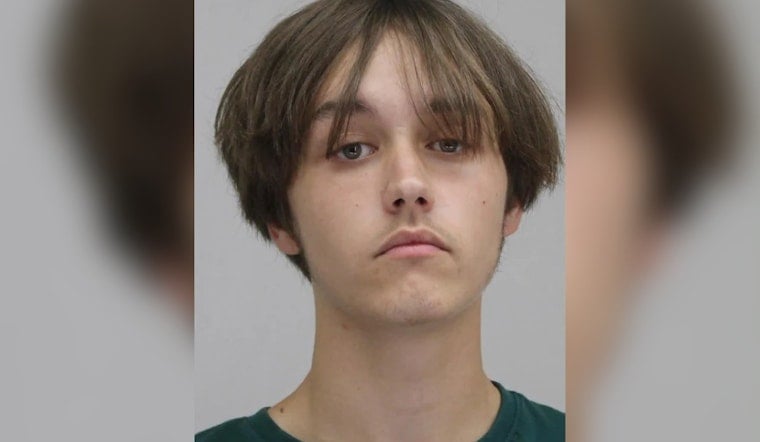
Nearly three months after 18-year-old Daniel Erving drowned at Lake Ray Hubbard, Dallas police have arrested a 19-year-old they say tried to cover up what happened the night he went into the water.
Last Thursday, officers took Dallas resident Lucas Roper into custody, accusing him of tampering with evidence tied to Erving's death. An arrest affidavit claims Erving's phone and clothing were tossed aside after a late‑night jump from a bridge into the lake in mid‑April. Erving's body was recovered nearly three months before the arrest.
Arrest and charges
According to jail records, Roper was booked last Thursday on a tampering‑with‑evidence charge linked to Erving's death and was granted a $10,000 bond. Dallas police are leading the death investigation, while Rowlett police handled the original missing‑person report.
The affidavit states that items connected to Erving were discarded after the bridge jump and that investigators later recovered his phone and clothing as the case developed, according to CBS News Texas.
Affidavit details
Investigators say the affidavit lays out a tense sequence of events: Roper, Erving and a 17‑year‑old reportedly jumped from a bridge into Lake Ray Hubbard in mid‑April. Afterward, Roper and the younger teen allegedly threw Erving's clothes into a tree line, tossed his cellphone, and then drove away.
A review of recovered phones allegedly showed calls and text messages between Roper and Erving from that day. A later search of Roper's phone allegedly turned up deleted communications. According to the affidavit, Roper told investigators he was afraid of getting into trouble and admitted he told the 17‑year‑old to get rid of Erving's phone.
As those details surfaced, family members and community advocates intensified their calls for answers. Dominique Alexander of the Next Generation Action Network publicly criticized the delays in the case and what he described as failures of accountability, according to CBS News Texas.
Legal stakes
Under Texas law, tampering with physical evidence is a criminal offense that can carry significant penalties. Section 37.09 of the Texas Penal Code generally treats most tampering cases as third‑degree felonies, while tampering that involves a human corpse can be charged as a second‑degree felony.
Legal analysts note that prosecutors often look closely at the timing of a suspect's actions and steps such as deleting messages or hiding clothing to prove the intent required under the statute. That kind of conduct can turn what might look like a relatively small act into the centerpiece of a serious felony case, according to a legal explainer by LegalClarity.
What happens next
Roper's case will now move through the Dallas County court system while investigators continue combing through phone records, interviews, and physical evidence. Advocates say they plan to keep pushing for transparency as Erving's family seeks clarity on how his case was handled in the days after the drowning.
Prosecutors will decide whether to file any additional charges as the investigation continues and court dates are set.



