

























































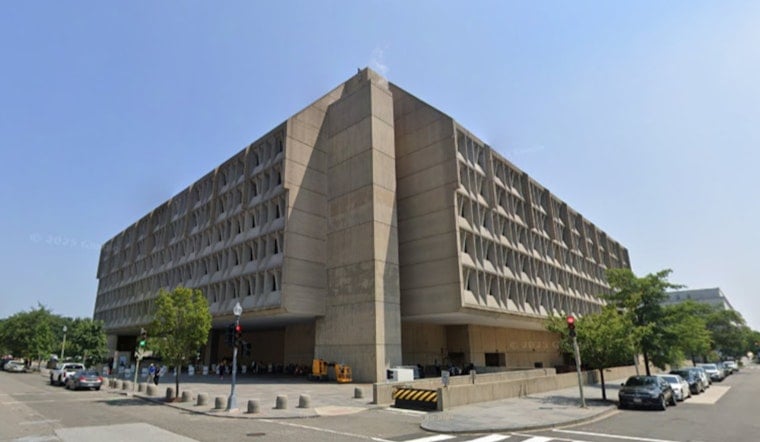
Federal health officials on Monday announced that the Department of Health and Human Services and the Department of Veterans Affairs have signed a five-year Memorandum of Understanding to coordinate research, training and the possible future rollout of FDA-approved psychedelic therapies for veterans with serious mental illness. The agreement was signed at VA headquarters in Washington by HHS Secretary Robert F. Kennedy Jr. and VA Secretary Doug Collins and instructs the agencies to increase veteran participation in clinical trials while preparing the VA system to deliver these treatments if regulators eventually sign off. Officials were quick to stress that the pact does not authorize clinical use outside approved studies and that any future access will depend on FDA review and legal safeguards, not wishful thinking.
What the MOU covers
Under the agreement, HHS and the VA will coordinate workforce training, develop evidence-based clinical protocols, collect and share real-world safety and cost data, and draft operational guidance for potential rapid-acting psychiatric products. The MOU will remain in force for five years with an option to renew and explicitly advances Executive Order 14401 on accelerating treatments for serious mental illness. The work is intended to shorten the path from promising clinical trial results to actual availability in clinics, according to the White House.
Trials, funding and training
The VA reports that it is already involved in about 20 active clinical trials of psychedelic therapies, backed by more than $23 million in external funding, and the new pact is designed to expand veteran enrollment and strengthen oversight. The departments also plan to train therapists, nurses and physicians on safe administration and monitoring of these treatments and to build educational materials for both providers and patients. On the ground, VA research sites have begun enrolling veterans in psychedelic-assisted protocols; one Chicago-area facility rolls the dice on psilocybin for PTSD-scarred veterans, according to the VA.
FDA role and regulatory steps
The FDA has signed its own complementary MOU with the VA to boost information sharing and scientific collaboration and has moved to finalize guidance for sponsors studying psychedelic drug products. The agency has also scheduled a public hearing for Sept. 14 to gather input on provider training, patient safety, access and data-collection standards as it weighs the potential therapeutic use of these drugs. Those regulatory steps, including guidance, public input and data sharing, will help determine what clinical trials must prove before any psychedelic product is cleared for clinical use, according to the FDA.
What veterans and clinicians should know
Both departments say clinical use within the VA will be considered only after FDA approval and under strict protocols, and the VA is openly discouraging any self-medication with unapproved psychedelic substances. The MOU calls for collecting real-world evidence to guide future coverage and operational decisions and for developing clinician training and patient education resources. HHS has also directed HRSA to seek stakeholder input on workforce readiness through a Request for Information that will gather recommendations on clinician education, care models and safe delivery approaches, according to HHS.
Legal note
The MOU is strictly a coordination framework and does not change federal law or permit off-label or non-research use of controlled substances. As the agencies spell out in their agreements, any disclosure of VA or FDA records or data sharing will remain bound by existing statutes, privacy protections and internal procedures, and any future clinical deployment will require the usual regulatory approvals and, where necessary, scheduling decisions, details that are laid out in the agencies' MOUs with their federal partners.
What to watch next
Next up are HRSA's RFI responses, the FDA's public hearing in September and a steady stream of results from VA trial sites, all of which agencies say will inform regulatory reviews and potential coverage policies. Advocates and clinicians argue that the effort could open new doors for veterans with treatment-resistant conditions, but experts warn that careful screening, rigorous clinician credentialing and long-term follow-up will be crucial so the promise of psychedelic therapies does not turn into a safety mess.




