

























































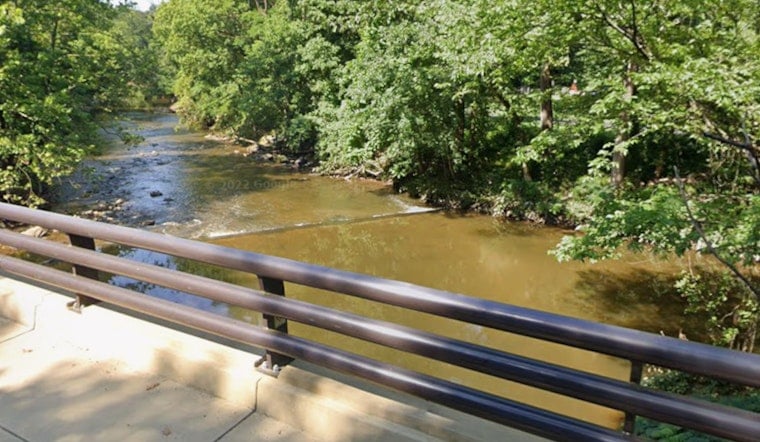
Rock Creek Park is officially getting a massive underground holding tank, as DC Water on Thursday broke ground on the Piney Branch Tunnel, the final big dig in the agency’s long-running Clean Rivers Project. The tunnel, roughly a half mile long and 22 feet across, is designed to store about 4.2 million gallons of combined stormwater and sewage and is expected to be operational by late 2029. Utility officials say that once the system is online, overflow events will drop from roughly 25 a year to about one, sharply cutting the volume of untreated discharges into Piney Branch, Rock Creek and downstream waterways. Construction will unfold over several seasons and is expected to reshape stretches of Piney Branch Parkway and nearby trails while crews tunnel beneath the park.
How the tunnel will work
The Piney Branch Tunnel will function as an underground storage vault, capturing combined sewer overflow during heavy rains and holding it until DC Water can send the flows to its Blue Plains treatment plant, according to DC Water. Project materials say the structure will store a minimum of 4.2 million gallons, run roughly 2,200 feet (about 0.4 mile) and be 22 feet in diameter. The plan includes a diversion at the Piney Branch outfall (CSO 049) and a discharge structure near Park Road that will return flows to the system for treatment when capacity allows. DC Water also outlines restoration steps, including tree replacement and slope stabilization, to repair the park once construction wraps up.
What officials said at the groundbreaking
At a ceremony along Piney Branch Parkway, interim DC Water CEO Matt Brown said the tunnel will sharply cut how often sewage spills into the creek. “Right now, in an average year we have about 25 overflows,” and “because of this tunnel, we will reduce that number in an average year down to one,” he said, as reported by WTOP. National Park Service Rock Creek Superintendent Brian Joyner called the project “one of the most important environmental improvements in park history” and thanked park visitors for their patience during roughly four years of construction. Local neighbors and Advisory Neighborhood Commissioners backed the long-term water quality benefits while pressing for careful restoration of trails, trees and sightlines. Officials also warned that lane shifts, trail detours and temporary closures are likely while shafts are excavated and tunneling gets underway.
Why this matters for Rock Creek and the Potomac
DC Water says the Piney Branch Tunnel will prevent the vast majority of untreated sewage that now spills into Piney Branch and Rock Creek, estimating the project will cut overflow volume by roughly 96% and keep tens of millions of gallons out of local waterways in an average year. The tunnel is the Rock Creek segment of the broader DC Clean Rivers consent decree program, which has already completed major pieces on the Anacostia and is advancing Potomac River storage work, according to DC Water. The National Park Service environmental assessment describes the proposed 2,200 foot tunnel, the expected construction footprint and the mitigation and restoration measures that will guide park recovery after work finishes. The document says the project is intended to protect water quality for people and wildlife alike by cutting bacteria, trash and other pollution that reaches the Potomac and Chesapeake Bay, and it lays out the schedule and mitigation commitments for the work, according to the National Park Service.
Construction impacts and schedule
Officials say major shaft work and tunneling will be visible along Piney Branch Parkway and that substantial staging areas will be needed for equipment and soil removal. DC Water expects the project to run through 2029, with tunneling and shaft work phased in an effort to limit traffic and trail impacts as much as possible. Industry coverage of the broader Clean Rivers program notes that multiyear schedules, multiple tunnel boring machines and large scale detours are typical for projects of this size. Construction Dive has followed the authority’s recent tunnel milestones and the logistics of moving heavy equipment through the city’s parks and waterfronts.
Next steps and how to follow
Site work has moved from preparatory relocations into shaft and tunneling phases, and agency schedules indicate the tunnel should be operational by late 2029 with restoration work to follow, according to public filings. The National Park Service’s project pages include the Environmental Assessment and Finding of No Significant Impact, and those documents will be updated with monitoring plans and restoration timelines as the project advances. Neighbors who want to track progress or review plans can find documents on the NPS Park Planning site and DC Water’s Piney Branch project page, which officials say will post regular construction updates.



