

























































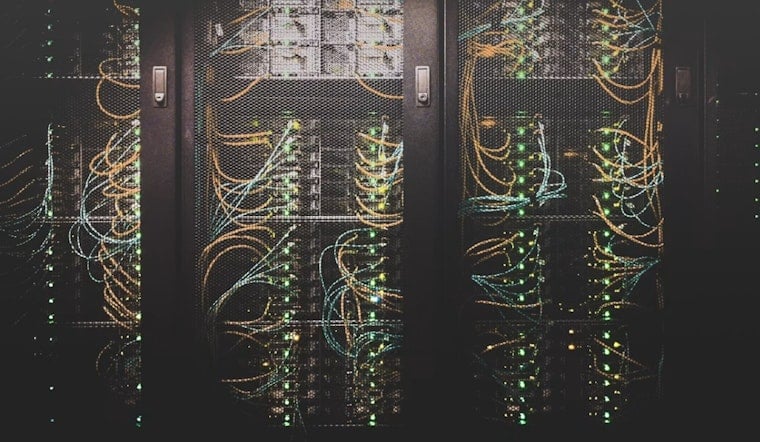
A Denver data center is at the center of a cross-state fight over 50 terabytes of public television history. Nine PBS says its archive has become inaccessible, leaving decades of St. Louis programming, photographs and video caught in a legal dispute involving a storage company and the facility that houses the data.
St. Louis Regional Public Media, known as Nine PBS, filed in Denver District Court after Open Source Storage allegedly cut off access in March, when its annual contract ended. According to First Alert 4, the archive reaches back to 1954 and includes material the station says is culturally important and largely irreplaceable.
The complaint identifies Iron Mountain’s DEN-1 facility in North Denver as the likely home of the archive. The Denver Post reported that the lawsuit lists more than 11,000 files, including records mentioning St. Louis figures such as Susan Blow, Willie Akins and Roscoe Misselhorn.
Iron Mountain describes DEN-1 as an 180,000-square-foot colocation facility built for cloud, technology and enterprise customers. Nine PBS alleges that Iron Mountain has refused to return the archive because Open Source Storage owns the physical services housing the data, turning a vendor dispute into a very expensive digital game of keep-away.
The Fight Started With A Contract That Expired
Nine PBS and Open Source Storage entered an agreement in 2019 covering hardware, software and cloud storage, with annual renewals. The station says the contract made clear that its data belonged to Nine PBS and gave it time to retrieve the files after termination, but access was cut off without warning just before the agreement expired on March 6.
Open Source Storage later allegedly sought payment for another year before restoring access, according to First Alert 4’s review of the court filings. Negotiations over a new agreement went nowhere, and Nine PBS ultimately turned to the courts after repeated demands for access were not resolved.
Why The Archive Matters To St. Louis
Nine PBS has been working for years to preserve a collection that station officials describe as a major record of regional life. In its own 2024 community advisory board notes, Nine PBS said some of its older material was stored on outdated and degrading technology, while partnerships with the Missouri History Museum and the American Archive of Public Broadcasting were helping make the material usable for future generations.
The station also noted that, along with KSDK, it holds some of the only surviving television history documenting St. Louis because other local outlets lost archives to time and the elements. That makes the dispute about more than a server login: It could determine whether researchers, educators and residents can reach a sizable portion of the region’s recorded memory.
Judge Orders The Data Preserved
A Denver judge has ordered that the files be preserved and prohibited their deletion, modification or destruction while the case moves forward. Judge Eric Eliff set a hearing for Aug. 12, where the court is expected to address the archive’s status and the competing claims over who controls access.
Nine PBS said it remains committed to recovering and restoring full access to the content. The Denver Post reported that the station is seeking the safe return of the 50 terabytes through its Denver lawsuit.
What The Lawsuit Could Decide
This is a civil dispute over access, ownership and contract obligations, not a criminal case. Nine PBS is seeking injunctive relief and damages, while the legal fight may ultimately turn on who controlled the hardware, cloud environment and retrieval process once Open Source Storage’s agreement ended.
The allegations have not been proven in court, and Iron Mountain’s position remains part of an active dispute rather than a final ruling. Until those questions are settled, a chunk of St. Louis history remains physically secure but effectively out of reach inside a Denver data center.





