

























































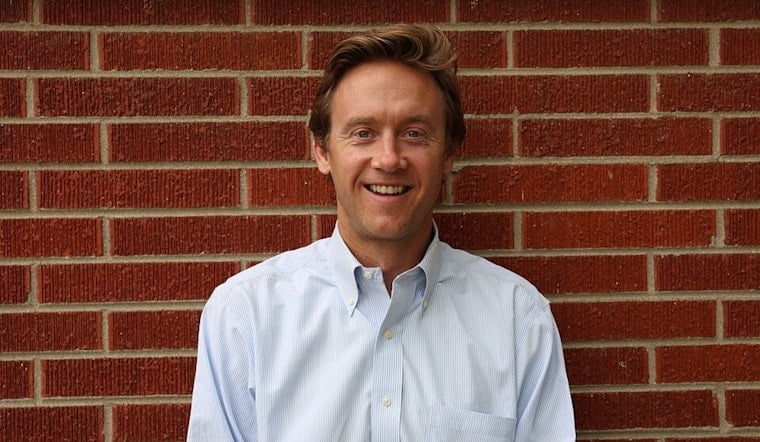
Mayor Mike Johnston is moving ahead with one of his biggest affordability promises, pulling together a new task force to sketch out what universal child care could actually look like in Denver. He says the members of the group will be revealed Monday, along with a plan to start by listening before the city tries anything at scale.
Johnston told reporters the task force has already begun meeting and that a small pilot is slated for next fall to test how a birth-to-5 system would function and what it might cost. “If that’s successful, we would figure out what the cost of that system is and what revenue sources are needed,” he said in a phone interview with Axios. The idea is to measure outcomes and real-world costs from the pilot first, then come back with a funding proposal instead of leading with a big price tag.
Haynes-Gary task force and the shortage
The mayor has dubbed the group the Haynes-Gary Task Force and tasked it with cutting red tape, building up a pipeline of caregivers, and mapping a route to affordable child care within five years. The scale of the problem is not subtle: there are fewer than 5,000 licensed child-care slots for roughly 31,000 Denver children under age 4, and families shell out about $25,000 a year per child on average, according to Denver7. The task force is set to begin with a listening tour so parents and providers can spell out what would actually work on the ground.
How the pilot and timeline would work
The pilot is meant to give Denver a real template that can be scaled up if it proves workable, but Johnston has already tied any full rollout to the end of a possible second term. Denverite reports the task force will kick off with a six-month listening tour and that officials expect the formal membership announcement to follow that outreach. City leaders say the pilot will home in on practical hurdles like licensing, pay and schedules for the workforce before anyone starts floating a universal system price tag.
Why New Mexico matters
Inside City Hall, staffers are looking hard at New Mexico as a preview of what a government-led expansion can look like when it is fully turned on. The New Mexico Early Childhood Education & Care Department notes the state launched no-cost Universal Child Care on November 1, 2025, scrapping income limits and copays while expanding capacity for thousands of kids. Denver officials say they are in touch with other jurisdictions, including New Mexico, to figure out which pieces might translate to a denser, urban market.
Funding and political skepticism
Policy analysts caution that the vision is big and the financial details are, so far, thin. Any local model will need a steady revenue stream and serious investment in the early-education workforce to avoid collapsing under its own weight. “Typical Mike Johnston … very, very long on aspiration and somewhat short on specifics,” political analyst Eric Sondermann said on PBS’ Colorado Inside Out, a point highlighted by Axios. Supporters and skeptics at least agree on this much: if provider capacity and pay are not addressed, a universal system will not be politically or fiscally sustainable.
Next up, Johnston says, is the public reveal of the task force membership on Monday. City officials plan to run the pilot next fall, then return with specific cost estimates and ideas for how to pay for them. Between now and then, Denver will find out whether the listening tour produces targeted fixes that voters can live with or a sweeping proposal that turns into a campaign-season lightning rod.





