

























































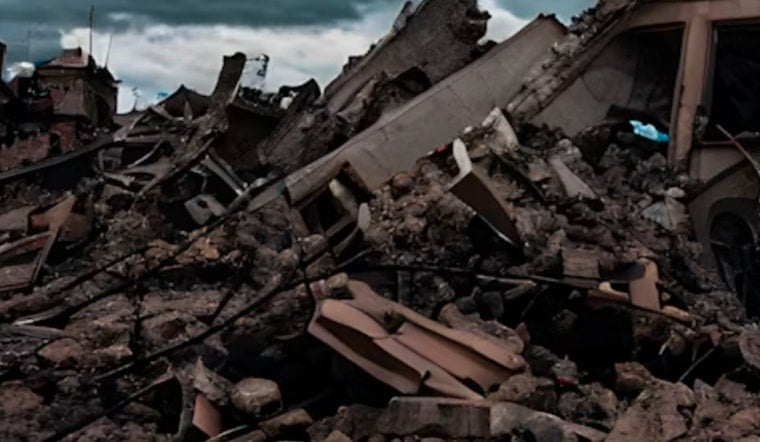
On June 24, Ybrahin Villafaña turned 36 and almost did not live to see 37. Hours after U.S. immigration agents put him on a deportation flight back to Venezuela, he was buried under concrete at a government-run hotel in La Guaira. Fellow deportees clawed through the rubble with their bare hands to pull him out. Dozens of others from the same flight are still missing or dead, a brutal twist after back-to-back quakes turned what some officials had promoted as a homecoming into one of the disaster's cruelest scenes.
The deportation flight arrived at Simón Bolívar International Airport shortly before two strong earthquakes hit. The returnees were taken to the Santuario La Llanada hotel, a government processing site that collapsed during the tremors, according to reporting by The Guardian. Based on Associated Press accounts and survivor testimony, that report says more than 140 people from the flight were being held inside the hotel when the structure gave way.
Villafaña told the Miami Herald that he emigrated to the United States in 2020 and was living in Alabama when ICE agents detained him. He had applied for asylum after being denied Temporary Protected Status and left behind a wife and three young children in the U.S. After rescuers pulled him from the debris, he was taken to Vargas Hospital. He said he briefly ended up on the ground among bodies outside the morgue because the medical wards were overwhelmed.
Human Rights First's ICE Flight Monitor has documented a sharp rise in removal flights to Venezuela since early 2025, tracking dozens of charter deportations that human-rights groups say raise serious transparency and safety concerns. The group reports that removal flights resumed in early 2025 and that the scale of the operation has drawn growing scrutiny from advocates and lawmakers.
Twin Quakes, One Crumbling Processing Hotel
Survivors and relatives say the Santuario La Llanada, a repurposed facility used to process returnees and run by a government social program, was in bad shape even before the earthquakes hit. They also allege that intelligence officers tightly controlled detainees' movements, claims detailed in reporting by El País. That coverage gathered multiple testimonies and showed families turning to social media and handwritten search cards as they scrambled to identify loved ones in the post-quake chaos.
Villafaña says he spent roughly an hour pinned under concrete before other deportees dug him out. He later told the Miami Herald that rescuers laid him on a mat and that he then slipped away to a relative's home to recover. Other survivors have undergone surgeries and amputations, and families say they have received only fragmentary information about what happened to those who arrived on Flight 164.
Legal And Policy Questions Pile Up
Human-rights organizations and relatives are now pressing to know why people flown under U.S. removal operations were placed directly in state custody on arrival and housed in a building that failed so disastrously, a concern underscored by reporting from Human Rights First's ICE Flight Monitor. Advocates argue that the episode raises hard questions about the responsibilities of both U.S. officials who oversee deportations and Venezuelan authorities who accepted custody and organized the processing.
For Villafaña, who survived the deadly 1999 La Guaira mudslides as a child and lost two brothers in that catastrophe, being sent back to the place he once escaped has reopened old wounds. He and other families are now searching for answers. As rescue and recovery work continues across La Guaira, relatives and rights groups in both countries are demanding transparent lists of the dead and missing, clearer rules on custody, and accountability for the decisions that placed so many people in a hotel that became a death trap.





