

























































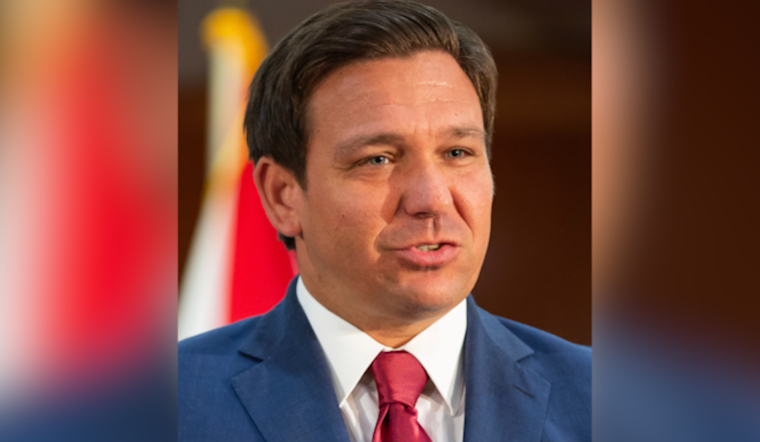
On June 16, 2026, Gov. Ron DeSantis signed a five-bill public safety package in Winter Haven that broadens criminal penalties and hands prosecutors and police new tools to target gangs, repeat violent offenders and sellers of dangerous substances. The laws include the Officer Jason Raynor Act, a new trafficking statute for xylazine (often called "tranq"), tighter career-offender registration rules, and changes that let prosecutors rely on social media posts in gang cases.
What DeSantis Signed At Winter Haven
Speaking at an event hosted by the Winter Haven Police Department, DeSantis cast the measures as part of a larger push to reduce violent crime and back law enforcement. He said the bills "crack down on dangerous drugs" and "ensure that violent criminals face serious consequences," according to a press release from the Executive Office of the Governor. The release lists SB 432, SB 1332, HB 429, SB 156 and SB 436 among the measures signed and includes praise for the package from Attorney General James Uthmeier and FDLE Commissioner Mark Glass.
Officer Jason Raynor Act Tightens Penalties
SB 156, the "Officer Jason Raynor Act," revises Florida's resisting statute and increases penalties for violent offenses against officers. It includes language that allows enhanced punishment for manslaughter committed against an on-duty law enforcement officer, and it took effect as soon as it became law. The bill text and statutory changes appear in the official filing with the Florida Senate. The measure is named for Daytona Beach Officer Jason Raynor, who was shot on June 23, 2021, and later died, as reported by ClickOrlando.
Meg's Law And The 'Tranq' Threat
SB 432 creates trafficking penalties for xylazine and folds in provisions billed as "Meg's Law" that restrict how nitrous oxide products can be marketed and sold to minors. Officials say the law is aimed at products and packaging that appear designed to catch the eye of young people. Local coverage of the signing breaks down the trafficking thresholds and notes that some technical changes start July 1, while most of the law takes effect October 1, 2026, as explained by News4Jax.
Online Admissions And Career-Offender Tracking
HB 429 updates Florida's criminal-gang definition so that admissions made on social media or through other online communications can be used as evidence of gang membership. SB 1332 tightens the Career Offender Registration Act, requiring in-person registration, expanded reporting and more information sharing among agencies. Supporters say the changes track how criminal organizations now operate. Reporters from the News Service of Florida/WUSF noted that the Winter Haven event emphasized those goals.
Pushback And Constitutional Questions
Civil-liberties groups and some criminal-justice reform advocates argue that the revised resisting language in SB 156 and the broadened gang criteria in HB 429 risk sweeping in non-criminal behavior or chilling speech and association. Critics told Florida Politics that the bills respond to high-profile tragedies but establish broad rules that may ultimately be tested in court.
Why This Matters Now
Although the bills were signed in mid-June, several provisions are already active or will be soon. SB 156 took effect on signing. SB 436's felony-battery changes went into effect July 1. Most of the remaining provisions are scheduled to start October 1, 2026. That staggered rollout means prosecutors and sheriff's offices are adjusting charging decisions, registration procedures and public outreach over the coming months. Local officials, prosecutors and civil-liberties groups are briefing staff and preparing for the rule changes now, according to reporting by WUSF.
What To Watch
Expect updated policies from state attorneys on when to seek enhanced penalties, along with changes at county sheriffs' offices for career-offender reregistration. Legal challenges could emerge over the resisting standard and the use of social-media evidence. At the Winter Haven signing, state officials argued the new laws would help preserve Florida's recent crime trends and shield children from dangerous drugs, while opponents countered that courts may have to sort out the boundary between aggressive enforcement and constitutional rights.





