

























































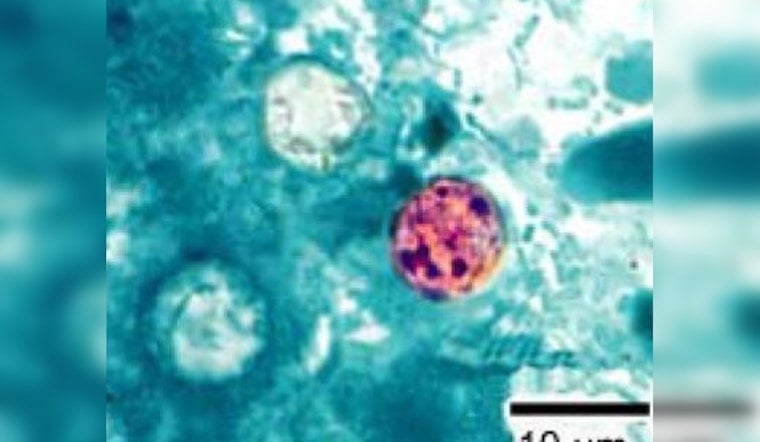
A nasty microscopic parasite that brings on weeks of watery diarrhea has made its way into Georgia, and health officials are telling residents not to shrug off an upset stomach this summer.
Clinicians around the state are reporting more tests coming back positive for Cyclospora, a parasite that infects the intestines and can trigger prolonged diarrhea and other gastrointestinal misery if it is not treated. Doctors say they are ordering more specific tests for Cyclospora this season while investigators try to track down possible contaminated food or water sources.
As reported by Atlanta News First, Dr. Iona Chicara of Wellstar said, “We definitely have seen an increase” in cases and urged people to wash produce thoroughly. The outlet also highlighted a local vendor who rinses delicate fruit in a half-water, half-vinegar solution before serving it. Atlanta News First published its report on July 9, 2026.
What federal data show
According to a CDC surveillance update published July 1, 2026, 145 domestically acquired cyclosporiasis cases were reported between May 1 and June 16. Investigators have not yet tied all of those illnesses to a single national source.
The CDC notes that case counts typically climb during the May through August cyclosporiasis season, and that traceback and molecular testing are underway with state and federal partners. Healthcare providers are being urged to think about Cyclospora when patients show up with persistent watery diarrhea and to order specific stool testing, since it is not always included in standard panels.
At the same time, reporting by the Associated Press and state health updates shows Michigan has been hit with a much larger spike. Case totals there have climbed into the hundreds and by early July were approaching or exceeding 1,000, triggering expanded provider alerts and daily public updates. That surge has pushed neighboring states and federal agencies to ramp up testing while investigators look for possible links to shipments of fresh produce. Public health officials note that tracking a foodborne source can take weeks because Cyclospora oocysts do not grow in standard lab cultures.
Georgia guidance for residents and clinicians
The Georgia Department of Public Health reminds residents that cyclosporiasis is a reportable disease in the state and that confirmation requires a specific stool test.
The department notes that Trimethoprim-sulfamethoxazole is the FDA‑approved antibiotic used to treat cyclosporiasis when medication is needed. It also repeats the basic playbook for prevention: wash hands thoroughly with soap and water, and rinse fresh fruits and vegetables under running water before eating. Anyone dealing with persistent or severe diarrhea is urged to contact a health care provider and mention possible Cyclospora exposure so the right test can be ordered.
How to reduce your risk
Federal and state health officials say the best defense is to avoid food or water that may have been contaminated. The CDC advises rinsing produce under running water and practicing good hand hygiene.
Some vendors and home cooks go a step further and soak delicate fruits in a half-water, half-vinegar solution. Experts caution that even careful washing may not remove every Cyclospora oocyst, so symptoms matter. If diarrhea is not getting better after a few days, ask your clinician specifically about testing for Cyclospora, since routine stool panels may not automatically include it.
State and federal public health teams are continuing traceback work and laboratory investigations and say they will update their guidance as new findings emerge. For Georgia-specific details on testing and reporting, residents can review the Georgia Department of Public Health’s Cyclospora information page.





