

























































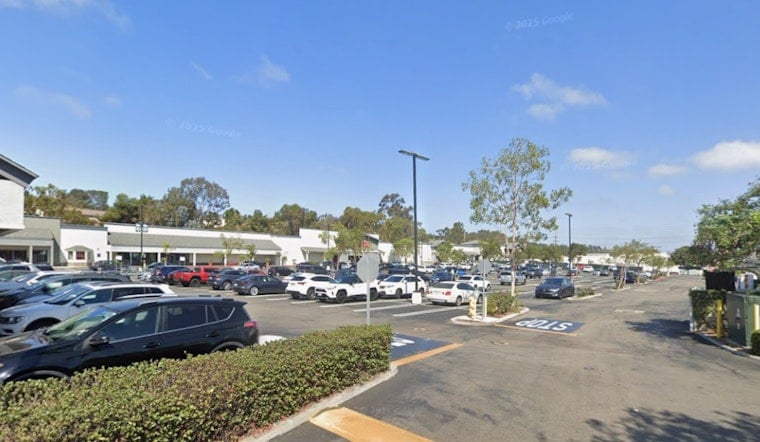
Discount retailers and round-the-clock budget gyms are rapidly rewriting San Diego’s retail map this summer, as off-price chains and fitness operators grab the oversized spaces once ruled by traditional department stores. Landlords are trading those vacant big boxes for thrift giants, value formats and national gym brands they hope will keep people coming back often. The shift is visible from coastal UTC to inland strip centers and is already changing where locals shop and work out.
Local coverage has tallied the new arrivals: a 30,000-square-foot Red White & Blue thrift store has opened, a roughly 24,000-square-foot Nordstrom Rack has debuted in Encinitas, and dd’s DISCOUNTS launched three new county locations in late June. At Westfield UTC, the focus has tilted toward tech and dining, with Dreame Technology’s second U.S. shop joining the mix and the 11,000-square-foot Joey La Jolla restaurant opening on Monday. AMC is also planning to renovate a theater at Grossmont next year, as owners rethink older large-format spaces, as reported by The San Diego Union-Tribune.
Tight Fundamentals, Cautious Landlords
Commercial broker JLL reports that San Diego’s retail vacancy sat at about 4.6% for the three months ended March 31, while first-quarter net absorption came in negative at roughly 179,000 square feet and average base asking rent hovered near $36.78 per square foot. That combo of low vacancy and negative absorption helps explain why landlords are favoring tenants that generate frequent visits and quick sales turnover. JLL also notes that premium coastal locations and a tight land supply are keeping rents elevated and heavily influencing leasing strategies.
Foot Traffic Still Favors the Biggest Centers
Foot-traffic data from Placer.ai show Westfield UTC drawing roughly 12.4 million visits in 2025, while Grossmont Center pulled in about 11.5 million visits last year. Those tallies give owners plenty of reason to keep pouring money into marquee malls. With that kind of built-in audience, they are betting they can blend luxury brands with value retailers and fitness concepts and still keep crowds flowing through the centers.
Why Value and Fitness Are Winning
Off-price retailers have the wind at their backs. Ross Stores reported that same-store sales jumped 17% in its fiscal first quarter ended May 2, fueling expansion for both the Ross chain and its dd’s DISCOUNTS banner. On the resale side, demand is also climbing. Research from ThredUp found that the U.S. second-hand apparel market grew about 13% in 2025 and could reach roughly $78.8 billion by 2030. Put together, those trends are driving strong demand for large thrift and off-price footprints.
Investor Bets and What’s Next
Investors are voting with their checkbooks. Buyers such as Brixton Capital have paid about $21 million for Carmel Mountain Gateway and completed several other San Diego retail acquisitions in the past year, signaling a steady appetite for well-located shopping centers. Unibail-Rodamco-Westfield’s move to acquire the remaining 50% of UTC for roughly $705 million also highlights the long-term value that owners see in high-traffic coastal assets, according to local reporting. These deals point to landlords leaning on a mix of luxury, value and fitness tenants to keep income steady as the retail roster keeps shifting.
For San Diegans, the outcome is a more blended retail scene: more spots to hunt for bargains, more 24/7 places to squeeze in a workout and malls that feel part luxury bazaar, part discount hub. For landlords, the equation stays simple enough, at least on paper: keep the traffic coming, keep the rents justified and keep the big boxes filled.




