

























































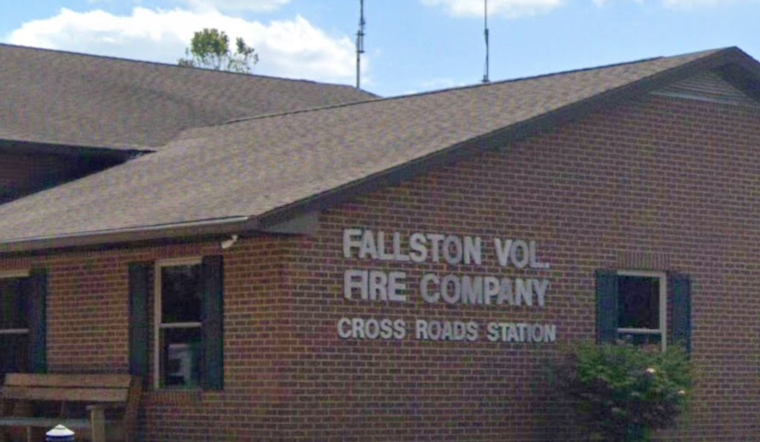
The former chief of the Fallston Volunteer Fire and Ambulance Company was ordered this week to repay $70,300 to the station after an investigation concluded he used department funds for purchases the board later labeled unauthorized. Court records and local reporting say the restitution follows an indictment and months of scrutiny that left volunteers and community donors demanding answers. The order lands at a sensitive moment for the small, volunteer-run department, which relies on donations and yearly fundraisers to cover its operating costs.
According to The Baltimore Sun, Harford County Circuit Court entered the $70,300 restitution judgment after prosecutors described a pattern of charges on a department credit card. Local coverage identified the former chief as Daniel J. McKinney, who was indicted last spring on multiple theft and embezzlement counts tied to the Fallston station. WMAR‑2 first reported the indictment and published the station’s statement that it had flagged irregular charges and turned them over to sheriff’s detectives.
Charges, Board Action and Licensing Fallout
Court records and local reporting state that the alleged misuse of funds ran from roughly July 2019 through January 2025, prompting the board to hand over its financial records to investigators, according to BRN Harford. The Maryland Institute for Emergency Medical Services Systems reported in its January 2026 newsletter that the clinician connected to the case surrendered an EMT certificate in July 2025 after the EMS board issued a noncompliance notice, and the board accepted that surrender in September. Those regulatory steps removed the individual from active, credentialed duty while the criminal case moved through the courts.
How Fallston Says It Found the Gap
Fallston’s leadership told investigators it spotted “irregular purchases” on a company credit card and referred the matter to the Harford County Sheriff’s Office, according to local outlets. The station removed McKinney from membership in February 2025 and has since signaled plans to tighten internal financial controls and bring in outside audits for fundraising and credit card use. Volunteers and board members told reporters they were stunned and frustrated that the alleged conduct appeared to stretch over multiple years.
What Restitution Means in Maryland
Under Maryland law, a court can order restitution to make a victim whole for direct out-of-pocket losses related to a crime, including stolen property or services, medical expenses and lost earnings, as outlined in Maryland Code, Criminal Procedure §11‑603. The statute ties the court’s authority to documented losses and allows judges to enter judgments that require payment over time. Restitution amounts must be supported by evidence and are intended to reimburse the identified victim for the crime’s direct financial impact.
Enforcement and Next Steps
If the defendant does not pay, courts have several enforcement tools available, including earnings-withholding orders and wage garnishment, to collect restitution, as Maryland appellate decisions and court practice explain. The restitution judgment will spell out any payment schedule, and the clerk’s office typically oversees collection and accounting. Failure to comply can trigger additional legal steps and collection efforts by the court.
The station’s public calendar lists ongoing fundraisers and monthly bingo nights this summer, underscoring how central donations are to keeping the department running, according to the company’s website. Neighbors who rely on the volunteer squad say they hope the restitution, along with any promised reforms, will help rebuild trust. The former chief’s criminal case remains part of the public record, and court dockets will show any payment schedule or additional filings.





