

























































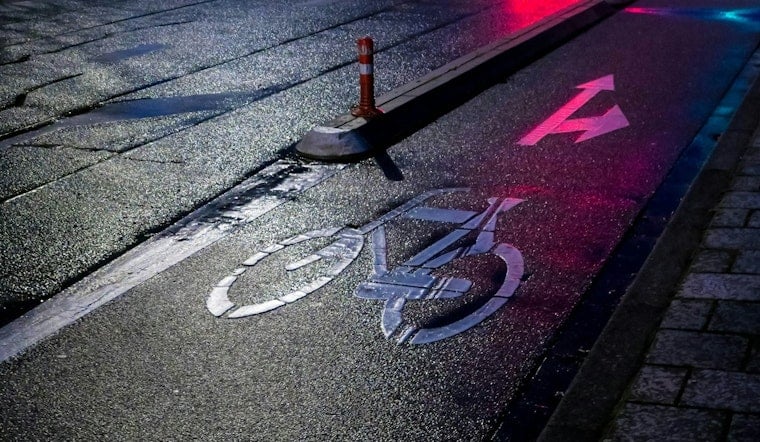
Chicago’s downtown camera pilot for bus stops, bus lanes and bike lanes is turning into a costly headache for delivery drivers, with thousands of warnings and millions of dollars in fines piling up. The Smart Streets program is pitched as a way to clear the way for cyclists and buses, but it has also opened a new front in the city’s long-running turf war with national logistics companies and local couriers.
What the records show
According to the Chicago Tribune, open records show the pilot has generated nearly $2.6 million in fines and tens of thousands of zero-dollar warnings since it launched. The Tribune reports that Amazon Logistics, FedEx and UPS were collectively hit with roughly $460,000 in tickets for bus-stop, bus-lane and bike-lane violations. The Department of Finance counted roughly 30,000 total violations through July, and the city has issued 16,802 tickets so far for blocking lanes and stops.
How the pilot works
The Smart Streets pilot relies on license-plate readers and video cameras mounted on city parking-enforcement vehicles and, more recently, CTA buses to flag drivers who park or stand in protected lanes. That rollout, which began with a warning-only period before fines went in the mail, is meant to keep bike lanes and bus-only lanes open so buses stay on schedule and cyclists are not forced to merge into fast-moving traffic. The Chicago Transit Authority and city transportation officials describe the initiative as a safety and reliability effort, not a cash grab.
Which operators were hit and what companies say
Records reviewed by the Tribune show a mix of big national players and homegrown outfits among the hardest hit. In addition to the roughly $460,000 in charges tied to Amazon Logistics, FedEx and UPS, courier firms such as Trans One Inc. and Northwest Express were fined about $48,000 and $30,000, respectively. Rental and fleet companies are also in the mix. Enterprise Mobility told the city it either turns over renter information to municipal enforcement or pays the ticket itself and then seeks reimbursement from the renter, according to the reporting. In statements quoted by the Tribune, carriers emphasized their focus on safe, compliant operations, while the city’s Law Department said it is actively going after companies with large unpaid balances as part of its enforcement push.
Legal and enforcement follow-up
The Tribune reports that the city Law Department is targeting corporate scofflaws with significant unpaid meter, bus-lane and bike-lane violations, and that officials are prioritizing large commercial fleets in their collection and litigation strategy. The paper also notes a drop in repeat offenses, which city data and the comptroller’s office say suggests the program is nudging drivers toward following the rules.
Riders and advocates weigh in
Bike and transit advocates have largely cheered the crackdown, arguing that blocked lanes shove cyclists into mixed traffic and slow buses for everyone on board. Local advocates and Streetsblog coverage say the pilot is designed to protect vulnerable street users and cut transit travel times. Critics, however, warn about the equity impact of automated ticketing and have pushed for relief programs for low-income Chicagoans. City officials point to the declining repeat-violation rate as a sign the cameras are changing behavior.
What to expect next
City and transit officials say they plan to keep rolling out more cameras and will take stock of the program before its scheduled end. CDOT and the Department of Finance are required to report back to the City Council before any permanent changes are made. The CTA has said bus-mounted cameras will be focused on priority corridors, and officials continue to insist the primary goal is safer streets and more reliable bus service rather than ticket revenue.
For delivery companies and couriers, the takeaway from City Hall is blunt: lanes reserved for people on bikes and buses are off-limits, and the new camera network is catching violators far more consistently than old-school chalk-and-ticket patrols ever did.





