

























































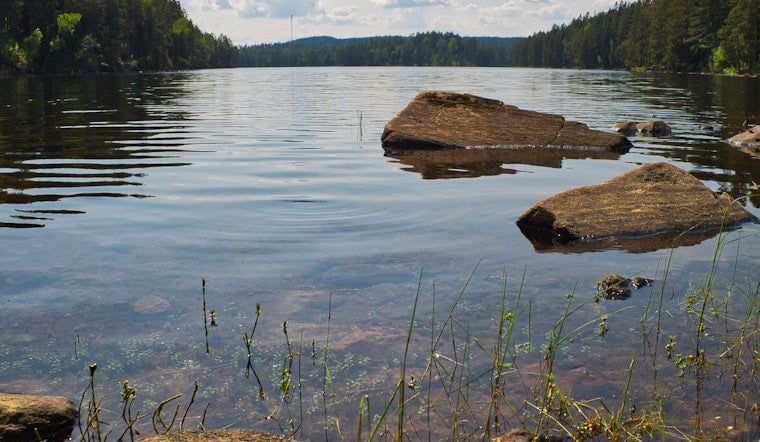
Cedar Lake homeowners packed into a state board room in Oklahoma City on Tuesday, demanding regulators tear out a pair of private dams they blame for a shrinking lake and bone-dry household wells. Residents described boat docks that once floated now stranded in mud and said they are paying out of pocket to haul in water just to bathe and do dishes, all while watching regulators weigh a deal that would let the dams stay put.
According to Oklahoma Voice, residents from the Cedar Lake community, about 45 miles west of Oklahoma City, filled the Oklahoma Water Resources Board chamber and repeatedly shouted, “Where is the water? We need our water back.” Neighbors told the board their drinking wells have gone dry, boat docks now sit on bare ground, and some families, including Anneliese Herren’s, have already spent more than $1,100 to truck in water.
State board and dam-safety rules
The Oklahoma Water Resources Board, which oversees dam safety statewide, publishes guidance and sample Emergency Action Plans that spell out what owners are supposed to do when their structures show signs of trouble. Those materials cover monitoring duties, reporting requirements and evacuation steps if a dam appears at risk. The OWRB also circulates dam-safety manuals and a Dam Safety Quarterly that explain how hazard classifications work and when emergency planning kicks in.
Owners, lawyers and the disputed agreement
Documents and testimony at the meeting showed an agreement that would keep two dams in place was signed by Glenn Coffee in his capacity as manager of C&F Ranch and Coffee Grounds LLC. The Coffees were represented by attorney George Corbyn, Oklahoma Voice reported. Residents’ attorney Tim Sowecke told the board the structures are unpermitted and that at least one is a “high hazard” dam that could pose imminent peril if it failed. He urged the panel to issue an amended order that would force releases from the impoundments. Instead of adopting the proposal, the board voted to table the issue until its September meeting, leaving the roomful of residents visibly frustrated.
What happens next
The board took no final action Tuesday, and the dispute is set to return to the OWRB docket later this year. Under the agency’s dam-safety rules, owners of high-hazard dams must coordinate emergency action planning and can face enforcement if a structure threatens public safety, including orders to lower water levels or complete structural repairs. OWRB guidance details how the agency assigns hazard classifications and responds to possible failures.
For Cedar Lake residents, the delay offered little relief. They left Oklahoma City promising to keep pressing for orders that would restore flows into the lake and bring water back to their wells, and attorneys for both sides signaled the fight will pick back up when the board reconvenes.





