

























































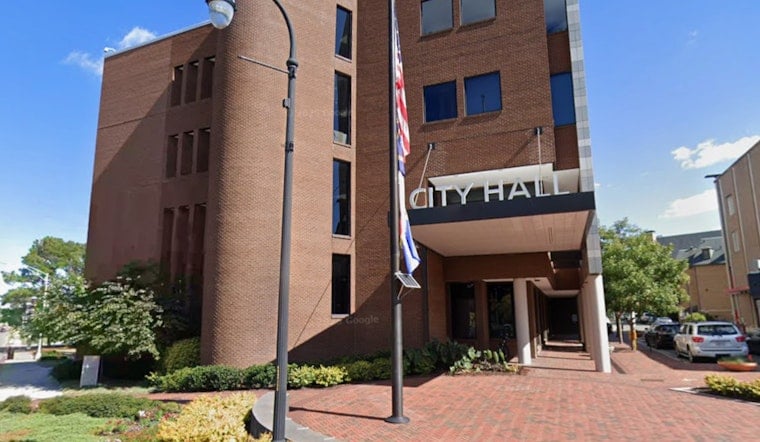
Durham’s rental rules just got a serious upgrade. In its most sweeping housing move in more than a decade, the Durham City Council voted unanimously on June 15 to overhaul the city’s Minimum Housing Code, signing off on a package of amendments that tightens habitability standards and cleans up how they are enforced. The revamped rules spell out clearer expectations for both interior and exterior conditions and give inspectors more explicit authority to deal with unsafe work and uninhabitable units. City staff pitched the rewrite as a modernization to better sync local regulations with state law and national healthy housing guidance, with sharper language on moisture, pest control, drainage and air conditioning.
According to City of Durham, the update is meant to “make the code easier to understand, more consistent to enforce and better aligned with state law and national housing standards.” The city’s summary highlights several specific changes, including standards for walls and floors, pest control requirements, drainage that must be directed to avoid erosion on neighboring properties and a requirement that any provided air conditioning units be kept in good working order. The package also gives enforcement officers authority to issue stop work orders when conditions threaten resident safety. City staff presented the amendments at a June 4 work session before the Council adopted them on June 15.
The city also broke the changes down in a short explainer, shared in a Facebook reel, through City of Durham on Facebook.
What the ordinance changes
The updated code goes beyond broad “safe and sanitary” language and locks in more concrete standards. Interior walls and floors must be “free of deterioration, unsanitary conditions or excessive dampness,” and pest control duties are spelled out more clearly for owners and occupants, according to Hey Durham. Outside, drainage has to be sloped and directed so runoff does not erode neighboring properties, and the ordinance clarifies expectations for air conditioning units where AC is provided. Inspectors will work from more specific criteria and will have authority to issue stop work orders when they encounter dangerous conditions, which city officials say should help move serious cases along more quickly.
How the changes were developed
City staff told the Council the rewrite started in house, following a multi jurisdictional review and consultation with the National Center for Healthy Housing. The language was previewed at a June 4 work session and then brought back for a formal vote on June 15. The Council approved the ordinance 7 to 0 after a public hearing that drew no speakers. The timeline and background for the amendments are laid out in the public meeting materials and the official meeting record on SeeGov.
Enforcement and what it means
Officials say the tighter, more specific language should make enforcement less subjective and give inspectors a clearer path to act on dangerous situations, including through stop work orders and more detailed violation notices, according to City of Durham. The city’s release explains that the changes are designed to give staff consistent standards for remedies, including repair orders and potential abatement, even though it does not list out penalties for every possible violation. For property owners, that means routine upkeep such as fixing moisture problems, eliminating pest harborage and keeping any provided AC units working is now more explicitly tied to staying in compliance.
How to find the new code
Landlords and tenants who want the fine print can head to the city’s code pages, where staff plan to post the full ordinance text and supporting documents. Housing and Neighborhood Services will fold the new standards into inspection checklists and guidance that enforcement officers use in the field. Residents who believe a unit is unsafe can file a complaint with the city so staff can inspect and, if needed, issue orders that require properties to be brought into compliance.
Legal implications
The amendments were drafted to stay in line with state law and to streamline enforcement under authority the city already has, according to the June 15 meeting transcript on Hey Durham. Remedies under the updated code, from repair orders to stop work notices and potential abatement, will run through the city’s existing administrative code enforcement process. The ordinance does not create new criminal penalties, but owners who do not comply with city orders can still face abatement actions or civil enforcement measures if violations are left unresolved.





