

























































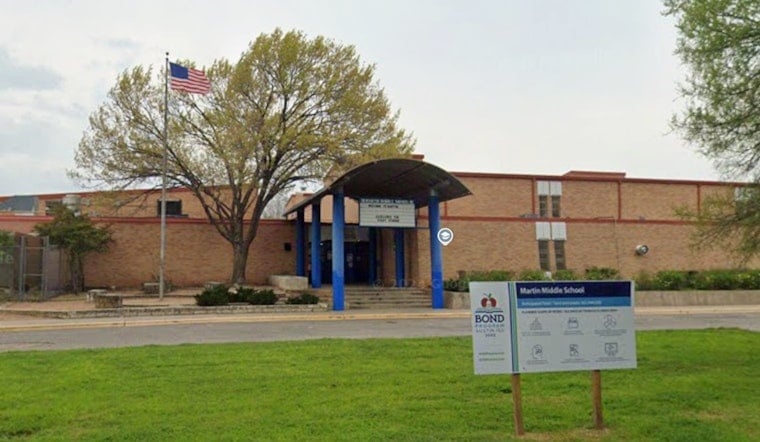
Martin Middle School, the East Austin campus known as Austin ISD’s first fully integrated middle school, is closing and could soon be reborn in a very different role. Trustees folded Martin into a group of about 10 campuses slated for consolidation as the district scrambles to plug a multi-million dollar budget gap and respond to falling enrollment. The idea of repurposing a historic neighborhood school has stirred up equal parts optimism about new opportunities and anxiety over bond money and frayed community roots.
District lists Martin among 'legacy' campuses
Austin ISD has put Martin on a roster of campuses the district is branding its “Legacy of Learning,” signaling that the building will not sit empty but will instead be repurposed for a future use that has yet to be decided. According to Austin ISD, district staff will guide student transitions and evaluate reuse options as part of a broader consolidation plan.
The earliest outlines of what might come next surfaced in the Austin American-Statesman, which pulled together the initial public conversation about the district’s thinking.
A symbol of East Austin history
Opened in the late 1960s, Martin became Austin ISD’s first fully integrated middle school and has long doubled as a neighborhood hub, hosting generations of families. As reported by the Houston Chronicle, the campus has been home to community events, family resource services and neighborhood gatherings that make its closure emotionally weighty for many East Austin residents. Those deep roots are now shaping how educators, alumni and neighbors are sizing up any proposed new use for the site.
Board workshop floated concrete reuse ideas
During recent board discussions, trustees kicked around one notably specific scenario: moving Garza Independence High School to the Martin campus, expanding Garza into a 6–12 program and shifting the Alternative Learning Center into Garza’s current building. That concept appears in an Austin ISD board bulletin, where it is described as an exploratory option rather than a done deal.
District staff told trustees they still need to run feasibility studies and gather community feedback, with a promise to return to the board later with more detailed analyses before anything moves to a final vote.
Bond money complicates the picture
Complicating matters is the fact that Martin was in line for a $61,446,000 full modernization under the 2022 bond, a figure listed on the district’s bond project pages. According to the Austin ISD bond project page, the overhaul was set to include a secure entry, HVAC upgrades and a school mental-health center, with an anticipated opening in 2027.
That kind of price tag for a campus now slated for closure has sharpened questions from parents and neighborhood advocates, especially amid reporting that the district has already committed bond funds to several other campuses on the chopping block. Local coverage by KUT has documented how those financial tensions are fueling scrutiny of any repurposing plan.
Staff and families weigh in
For the people who work and learn at Martin, the closure lands as more than a line item in a budget presentation. “It just shows how sometimes a school is more than a school to some people,” history teacher Eric Ramos told the Houston Chronicle. Principal Edna Cortinas said staff members hope students carry Martin’s lessons and legacy into their next campuses.
Those personal accounts underscore how high the stakes feel in East Austin, where the decision is being read as a test of whether the district can honor the campus’s cultural role while redrawing the map of its schools.
What happens next
District leaders say the next phase will involve feasibility testing, more community conversations and a return to the board with formal recommendations. The timeline for any permanent decision hinges on those studies and public input.
Local reporting notes that students were reassigned for the 2026–27 school year while the district evaluates reuse options and that administrators are planning additional public meetings and analyses before locking in a plan, according to KUT. For many families, the coming months will be a measure of whether any new program can preserve Martin’s place in East Austin’s story while also meeting districtwide needs.
Whether Martin ultimately becomes a home for alternative programs or a reimagined neighborhood campus, the choices ahead will test Austin ISD’s ability to juggle fiscal reality with community memory. For now, the shuttered building stands as both a reminder of East Austin’s past and a possible stage for the district’s next chapter.





