

























































Evergreen Fire Rescue is asking voters to sign off on a 0.89% sales tax on the November ballot, saying the extra cash is needed to keep emergency services from falling behind as aging vehicles, rising costs and shrinking staffing squeeze the district. Without new money, officials say they could struggle to replace engines, expand paid staffing and upgrade stations that were originally built for a mostly volunteer crew. District leaders expect to move the question to voters if the board signs off on the ballot language in August.
As reported by Denver7, the proposed 0.89% tax would bring in more than $5 million a year. Fire Chief Mike Weege said equipment and supply prices "have, in some cases, more than doubled in cost." The district says its fleet includes vehicles more than twenty years old, call volume has climbed about 107% over the past decade, and the department is operating with roughly half the career staffing officials say it should have.
Aging Fleet, Outgrown Stations
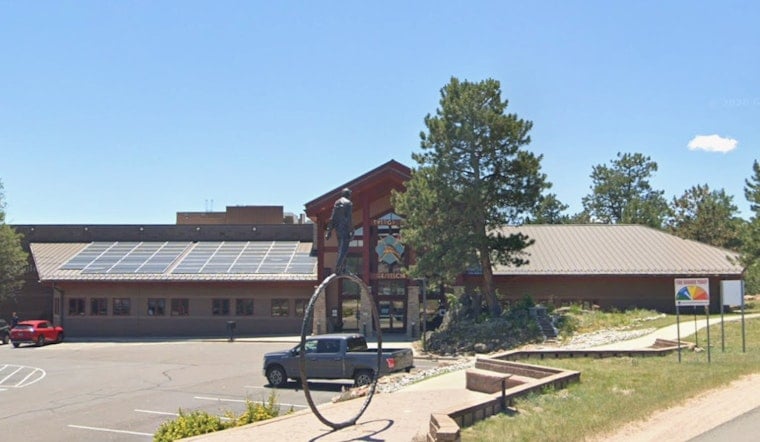
The district’s master plan lists firefighting and medical apparatus going back to the 1980s and 1990s and flags issues with bay clearance, exhaust systems and the lack of decontamination and living spaces at smaller stations. According to Evergreen Fire Rescue, many facilities were designed for a volunteer era and would need substantial renovation to support round‑the‑clock career staffing and modern equipment.
Property Tax Limits Pinch Main Revenue Source
Roughly 75% of the district’s revenue comes from property taxes, a lifeline that officials say has tightened after recent state changes. Under Colorado General Assembly legislation SB24‑233, the state set limits on how much qualified property‑tax revenue can grow. Evergreen leaders say that the cap leaves them with fewer ways to keep up with inflation and rising operating costs.
How New Money Would Be Spent
District materials say the added sales tax would help pay for firefighters and paramedics, recruit and retain volunteers, fund wildfire mitigation and community education, and improve emergency response capabilities and station facilities. The district’s planning documents put apparatus replacement, station renovations, and additional career staffing at the top of both capital and operating needs.
What Happens Next
The Evergreen Fire Protection District board is expected to vote in August on whether to place the sales‑tax measure on the November ballot. If the board approves the referral, the question will appear in the coordinated election, giving residents and local groups the late summer and fall to organize, debate, and campaign for or against the proposal.
Whatever voters decide in November, the process has dragged long‑running staffing and infrastructure shortfalls into the open and put a deadline on a basic neighborhood question: how much people are willing to pay to keep response times, crews and stations from slipping further behind demand.





