

























































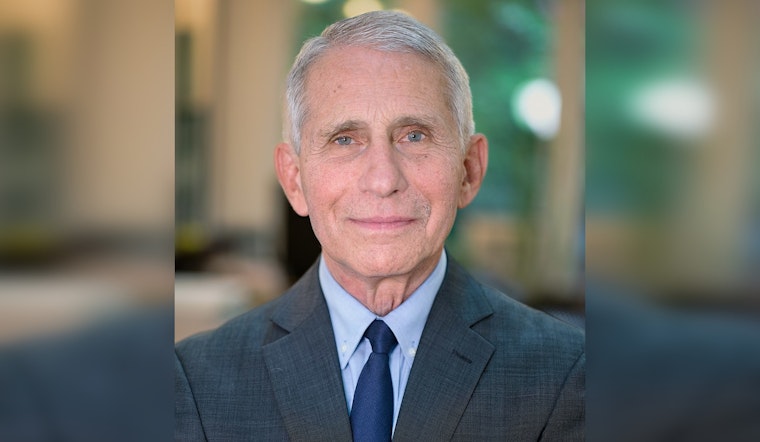
Dr. Anthony Fauci, the 85-year-old former White House medical adviser, is headed back to Capitol Hill on Wednesday, this time with his private pandemic diary as Exhibit A. His return follows Sen. Rand Paul’s release of hundreds of pages of Fauci’s personal notes from the Covid years, a document drop that, combined with a June subpoena, has turned a long-running feud over the origins of COVID-19 into a high-stakes, very public clash. Senators are set to drill into where those private entries and Fauci’s sworn testimony line up, where they do not, and whether any gap could open the door to new legal trouble.
Paul’s office has posted more than 1,100 pages of material stretching from late 2019 through 2022, and the senator moved in June to compel Fauci to appear. According to ABC17News, Health and Human Services Secretary Robert F. Kennedy Jr. told Fox News he located the files on government servers, then passed them to Sen. Rand Paul and Sen. Ron Johnson, after which the committee made them public. Local reporting and public archives indicate the cache comes to roughly 1,141 pages, a mix of diary-style notes, clippings and appointment logs.
What’s in the diary
The pages read at times like a hybrid calendar and scrapbook, filled with press lineups, pasted news stories and brief notes on high-level calls. The Washington Post and other outlets describe entries in which Fauci recounts conversations with President Trump and, in a July 2021 note, concludes that viruses in the Wuhan lab “could not have been manipulated into SARS-CoV-2.” Other passages track celebrity outreach and media appearances, the kind of behind-the-scenes detail that critics now scour for inconsistencies. Reporters say the collection highlights both Fauci’s central place in the federal response and the private doubts or hedges that his opponents are now eager to spotlight.
Legal and political stakes
President Joe Biden granted Fauci a preemptive clemency in January 2025 that covers federal offenses through that date, although members of Congress emphasize that any pardon stops at the edge of future conduct and does not protect a witness who lies under oath later on. The executive grant of clemency is posted by the American Presidency Project, and ABC17News recounts Sen. Paul telling Fox Business, “If he lies during the hearing, that’s a new lie, and the pardon won’t cover that.” That line between past conduct, which is now insulated, and any fresh statements, which are not, sits at the center of how the committee is approaching Wednesday’s showdown.
What to watch Wednesday
The Senate Homeland Security and Governmental Affairs Committee has Fauci listed for testimony on July 29 in Room SD-342 of the Dirksen Senate Office Building, according to its public schedule. The Homeland Security and Governmental Affairs Committee and major news outlets say senators plan to press him on federal grant funding, how records were kept and whether anything in his private notes contradicts earlier public testimony. Several reporters and analysts have cautioned that the session may end up clarifying the written record more than delivering a clear, prosecutable smoking gun.
Legal analysts point out that perjury cases are notoriously tough, since prosecutors have to prove a witness knowingly made a materially false statement, not just that the witness was wrong or evasive. Even so, they note that any new testimony on Wednesday that is both false and provably so would sit outside the earlier clemency. That narrow but significant legal boundary is likely to shape both the tone of the questioning and Fauci’s answers under oath. For readers looking to dig into how pardons work and why proving intentional false testimony is so difficult, LegalClarity offers a primer on those constraints.



.jpg)