

























































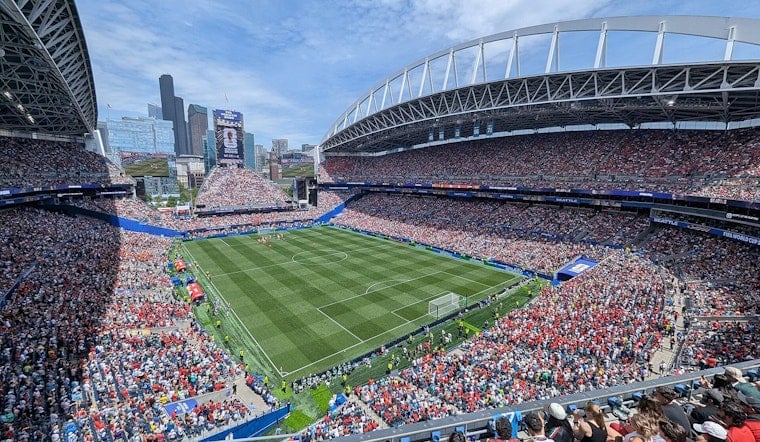
World Cup security around Lumen Field got a little more real on July 1, when FBI agents working the tournament seized six drones from operators flying inside match-day no-fly zones. The bureau says that brings the running total of confiscated drones around Seattle Stadium to 35 so far in the tournament.
The latest seizures played out as thousands of fans packed the Stadium District, while federal, state and local agencies enforced strict Temporary Flight Restrictions over the area on game days. Officials say the drone grabs are part of a broader counter-unmanned aircraft systems effort that has been running in every host city, and that flying inside those restricted zones can result in immediate confiscation and legal trouble.
FBI and FAA say no-drone rules are active around Lumen Field
The Seattle field office shared the seizure update and a reminder about no-drone rules in a post on X, urging pilots to double-check flight restrictions before launching, according to FBI Seattle. The Federal Aviation Administration’s World Cup safety plan lays out match-day Temporary Flight Restrictions that blanket Lumen Field and list Seattle game dates as June 15, June 19, June 24, June 26, July 1 and July 6.
According to the FAA, those World Cup TFRs override other permissions during the posted times. Unauthorized drone flights during those windows can trigger an immediate counter-unmanned aircraft response from law enforcement teams working the event.
Seizures mount across earlier matches and nationwide
The July 1 incidents were not the first drone dustups of the tournament. After the U.S.-Australia match, officers seized 11 drones and arrested four people, with additional smaller seizures at earlier games as well, according to AviationPros.
Nationally, the Transportation Security Administration has told local outlets it has helped coordinate World Cup airspace operations that have resulted in hundreds of unauthorized drones being seized at tournament sites, according to reporting compiled by FOX13 Seattle. Officials say most of those encounters involve hobby pilots who ignored or missed TFR notices, although some cases have led to detention or referral for potential federal action.
How pilots can avoid getting seized
Drone operators planning to fly anywhere near downtown Seattle on match days are being urged to check official tools before they even power up their aircraft. The FAA points pilots to its B4UFLY app and the Temporary Flight Restrictions portal at tfr.faa.gov to confirm whether game-day airspace is off limits.
On the enforcement side, federal and local partners are also asking spectators and residents to speak up when they see sketchy drone activity. The local advisory directs anyone who spots unsafe or unauthorized flights to contact the FBI tip line at 1-800-CALL-FBI for immediate reports, as noted by KOMO.
Legal consequences and enforcement tools
Authorities say they have the power to detect, disable and seize unauthorized drones operating in restricted World Cup airspace, and to pursue both civil and criminal penalties. Local reporting has noted that the fallout can be serious, including permanent confiscation of the aircraft and potential federal prosecution.
Operators who push their luck and fly inside active TFRs have already faced confiscation and fines of up to $100,000 in some reported cases, and law enforcement officials say seized drones will continue to be processed as evidence, according to AviationPros.
With several match days still on the calendar in Seattle, officials say game-day airspace will remain tightly controlled. For fans and hobby pilots alike, the safe bet is to assume the sky above the Stadium District is off limits whenever a World Cup match is in town and to plan flights well outside the restricted bubble.




