

























































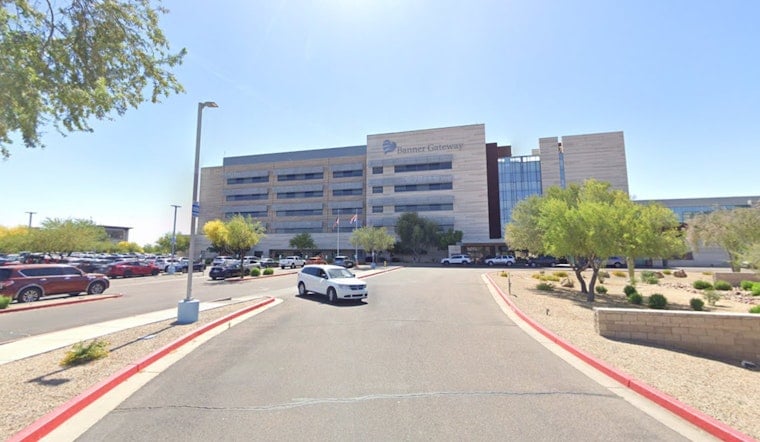
Six Phoenix-area hospitals, including Banner Gateway Medical Center, BH Newco Hospital LLC (operating as Linda Behavioral Hospital in Scottsdale), College Medical Center Phoenix, Phoenix Specialty Hospital, Quail Run Behavioral Health, and Valley Hospital, were swept up in a national federal crackdown over hospital price-transparency rules. They were among more than 500 facilities that received warning letters or requests for corrective action this spring, raising fresh questions for Valley patients and employers about how easy it really is to compare out-of-pocket costs before care.
According to AZ Free News, the six Arizona facilities appear on a list assembled by Hospital Watch, a project of Better Solutions for Healthcare that pulled hospital names from a national roster of enforcement letters issued by the Centers for Medicare & Medicaid Services (CMS). Hospital Watch spokesman Adam Buckalew told AZ Free News, “Patients should not have to guess what a hospital visit is going to cost.”
National enforcement push
Nationwide, federal regulators have sent warning letters to 519 hospitals, based on a list obtained by the Associated Press. The list covers notices sent between April and early June and includes both initial 90-day warning letters and follow-up demands for corrective action plans in more serious cases. Officials describe the effort as part of a broader campaign to make hospitals’ machine-readable price files and consumer-facing cost tools more accurate, comparable, and genuinely usable.
What regulators can do
CMS has the authority to require hospitals to fix flawed machine-readable files or consumer price displays and can impose civil monetary penalties on facilities that do not correct problems. According to CMS, penalties are calculated per day based on a hospital’s bed count and can reach roughly $2 million a year for the largest facilities if noncompliance continues.
The agency delayed enforcement of several technical transparency requirements until April 1, 2026, giving hospitals more time to adjust their systems. CMS now says many facilities have moved beyond that grace period, which is why more enforcement activity is starting to show up on public lists.
Why this matters in Phoenix
Price transparency hits especially hard in the Valley because private insurers and employers typically pay far more than Medicare for the exact same services. A 2022 analysis from RAND found that employers and private health plans paid hospitals an average of 254 percent of Medicare rates for comparable services, with outpatient facility prices averaging about 279 percent of Medicare.
Local watchdogs argue that market concentration can blunt price competition in the Phoenix area, according to AZ Free News. A January report from the Arizona Health Care Cost Containment System (AHCCCS), cited in that local reporting, shows Banner Health is the state’s largest hospital system with 18 hospitals.
Hospitals say many issues are technical
Hospitals that have received federal notices have frequently responded that the problems flagged are technical in nature, not evidence that they are hiding prices altogether. Health systems say some citations stem from formatting glitches in posted files or the way data fields are labeled.
Coverage from Becker's Hospital Review and other outlets has described cases where hospitals revised date fields or metadata after receiving notices from CMS. Transparency advocates counter that these fixes should be visible to the public and clearly verified by regulators, not left to quiet back-office cleanups that patients never see.
Legal implications
A 2024 audit by the Department of Health and Human Services Office of Inspector General (OIG) found that 37 of 100 sampled hospitals did not meet one or more federal price-transparency requirements. The OIG estimated that about 46 percent of covered hospitals nationwide were not fully compliant at the time, and it urged CMS to tighten oversight by using warning notices and corrective action plans, according to the HHS Office of Inspector General. Those are the very tools showing up in the current enforcement wave.
Federal rules codified at 45 CFR Part 180 spell out how civil monetary penalties are calculated, how hospitals can appeal, and what ongoing noncompliance can mean for a facility’s bottom line.
Next up, watchdog groups say they will be keeping an eye on whether Phoenix-area systems update their online price tools in ways that are actually consumer-friendly and whether CMS follows through with formal penalties for any hospitals that continue to fall short. In the meantime, patients and employers who want to see what care might cost can look for updated machine-readable files and price-estimator tools on hospital websites and can track CMS enforcement postings for the latest actions.




