

























































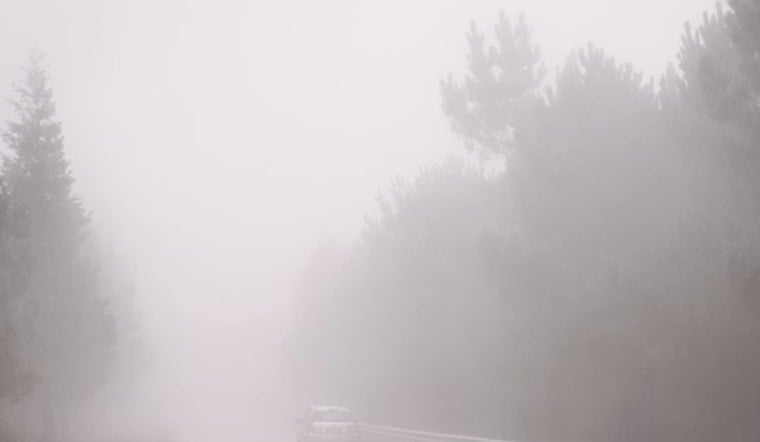
South Florida woke up Sunday to a milky, low ceiling of haze stretching across Miami-Dade, Broward and Palm Beach counties, the stubborn leftovers from Fourth of July fireworks for America’s 250th birthday and a long night of neighborhood pyrotechnics. With winds barely moving overnight, the smoke settled in place, cutting visibility and leaving pockets of the region, especially near the I-95 corridor and in the Miami metro, with worse-than-usual air, according to local officials.
The National Weather Service in Miami said smoke from widespread Fourth of July fireworks became trapped near the ground as calm and light winds allowed pollutants to remain stagnant. The office noted that an air quality alert was in effect for metro Broward through 10 a.m., and that conditions should improve later in the morning once stronger winds help mix out the lower atmosphere.
Coverage from CBS12 (WPEC) highlighted the greatest impacts across the Miami metropolitan area and along Interstate 95, with some monitoring sites early Sunday showing air quality readings in the “moderate” to “unhealthy” range. CBS12 also noted that people who are more sensitive, including those with asthma or heart disease, should limit strenuous outdoor activity until readings improve, echoing the broader guidance from the National Weather Service.
What fireworks put into the air
Fireworks release fine particulate matter (PM2.5) and metal salts used for color, and those tiny particles can be inhaled deep into the lungs and even enter the bloodstream, according to the EPA. Peer-reviewed analyses and public-health reviews have repeatedly documented sharp PM2.5 spikes on July 4 that can linger into the next morning, elevating short-term risk for people with respiratory or cardiovascular conditions.
Who’s most at risk and how to protect yourself
People with asthma, COPD, heart disease, young children, older adults and pregnant people face the greatest danger from short-term smoke exposure, public-health authorities say. The CDC and related guidance recommend staying indoors with windows closed, running air conditioning on recirculate if available, using a HEPA or high-efficiency air cleaner where possible, and wearing a properly fitted NIOSH-approved N95 respirator if you need to go outside while smoke is heavy.
Where to check live conditions
For up-to-the-minute air quality numbers, check AirNow, and for weather and hazards in the region see the National Weather Service in Miami. Local stations and county health pages will post advisories if conditions worsen or if alerts extend past the morning hours.
Sunday’s haze is the familiar downside of big holiday displays: dazzling in the moment, but capable of producing a short, concentrated burst of particle pollution. Skies are expected to clear as winds strengthen through the late morning, and anyone who feels chest tightness, severe coughing or dizziness should seek medical care.



