

























































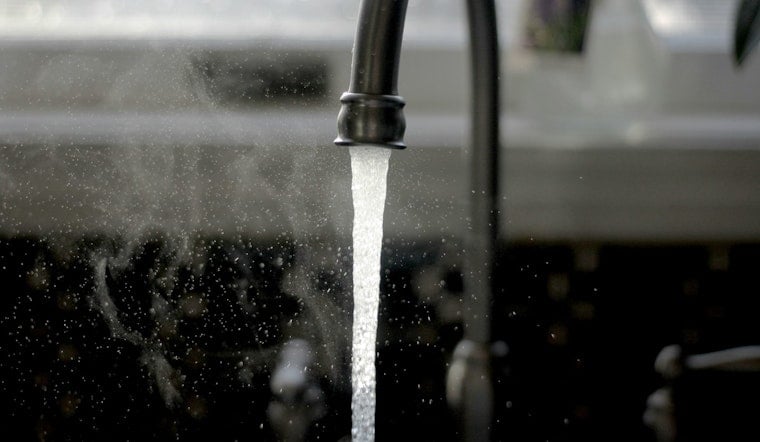
For a lot of South and Central Austin residents, turning on the tap in early February 2019 came with an unwelcome surprise: water that smelled like something had crawled in and never left. The trouble started after a raw water pipeline at the Ullrich Water Treatment Plant was put back into service on Feb. 6, and an unusual, fishy odor began showing up in faucets the next day.
Austin Water told customers dead zebra mussels inside that raw water pipe were to blame. The utility stressed that treated water still met regulatory standards and was safe to drink, even if it did not pass the common-sense smell test. Crews dosed the system with powdered activated carbon and launched targeted flushing across affected areas, but the odor hung around and thousands of complaints poured into the city’s 3‑1‑1 system.
According to Community Impact, Austin Water flushed water at more than 600 locations and carried out extra flushing in neighborhoods that reported problems, while its Customer Response Team called more than 1,700 customers to follow up. The department initially said the combination of powdered activated carbon and flushing would clear things up in about 24 hours, but complaints kept coming for nearly a week.
What officials said
Austin Water officials told residents the odor likely came from dead zebra mussels lodged in a raw water pipe at the Ullrich plant and noted that the line had been returned to service on Feb. 6. Director Greg Meszaros told KUT that while the treated water met regulatory standards, the utility “didn’t meet our standards that we have for this water.” He also described investments in mechanical cleaning and other measures intended to cut the odds of a repeat performance.
Customer complaints surged
Between 11 a.m. on Feb. 10 and 11:59 p.m. on Feb. 11, more than 1,987 residents called 3‑1‑1 to report odd taste and odor, with the highest concentration of complaints coming from Southwest Austin neighborhoods, Community Impact reported. Austin Water’s customer team reached out to these households, while field crews kept flushing hydrants and checking low-circulation lines for lingering problem spots.
Why zebra mussels matter
Zebra mussels are a small invasive bivalve species that can latch onto intake screens and raw-water tunnels, clogging infrastructure and creating taste-and-odor issues when large numbers die and decompose. The USGS Zebra Mussel Monitoring Program tracks the spread of these mussels across Texas reservoirs and explains why utilities push early detection and mitigation to protect treatment systems (USGS).
Why residents are watching now
The 2019 odor episode has not been an isolated worry. A run of high-profile events, including October 2018 flood impacts, the 2021 Winter Storm Uri disruptions and a 2022 citywide boil-water notice tied to an Ullrich outage, led to an external review that recommended operational and communications improvements. The city’s external review in January 2023 singled out Ullrich for targeted fixes and better emergency messaging, and the Austin Water press release for the Feb. 5, 2022 boil order shows how an Ullrich outage can ripple through the distribution system (City of Austin; Austin City Auditor).
What to do if your water smells
Austin Water urged customers who noticed taste or odor problems to report them to 3‑1‑1 and used an interactive flushing map to steer field crews, officials told KUT. If you detect strong or persistent odors, the guidance is simple: call Austin Water or 3‑1‑1 and pay attention to official updates before relying on tap water for drinking or cooking.
The department maintained throughout the episode that treated water met regulatory standards and said crews kept working until complaints tapered off. For many residents, though, the incident remains a pungent reminder that invasive species and aging intake infrastructure can quickly turn into neighborhood headaches. Austin Water says it has since pursued enhanced monitoring and plant upgrades in an effort to reduce the chances of another smelly surprise.



