

























































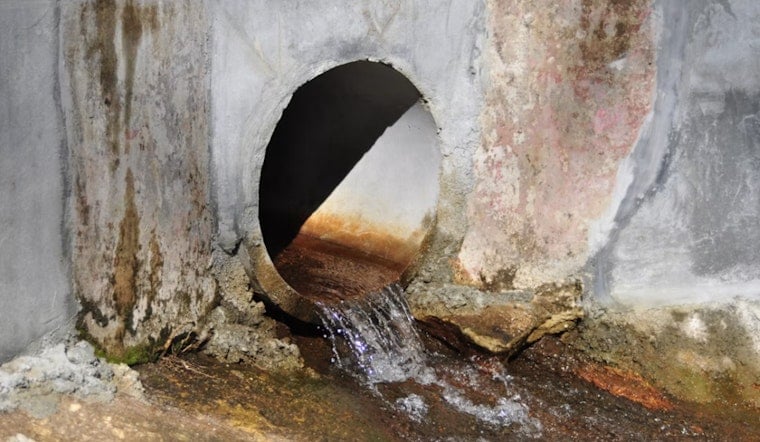
Flagler Beach is looking at about $43 million in projects to stop sending treated wastewater into the Intracoastal Waterway, according to city officials. The bill stems from a state rule that forces utilities to eliminate non‑beneficial surface discharges on a tight timetable. Officials say the overhaul will reshape the city's water infrastructure and will likely influence utility rates and development decisions over the next decade.
On July 9 the City Commission authorized staff to seek a roughly $43 million grant from the Florida Department of Environmental Protection to build a reclaimed‑water distribution system, according to the Daytona Beach News‑Journal. That reporting says the proposal is broken into six phases and that the city estimates its required contribution at just over $20 million.
Senate Bill 64, the 2021 reclaimed‑water law, requires domestic wastewater utilities that dispose of effluent to surface waters to submit plans and eliminate non‑beneficial surface discharges by January 1, 2032, creating the compliance clock Flagler Beach now faces, as outlined by the Florida Senate. The statute also directed the Florida Department of Environmental Protection to review those plans and report progress to the Legislature.
The city's reuse master plan and comprehensive‑plan appendices lay out the engineering path forward: a phased distribution network, new storage tanks, pump stations and mains intended to end the plant's surface discharges. Planning documents show the city currently lacks a public access reuse network and warn that deficits in supply or infrastructure could emerge around the 2032 compliance date, according to the City of Flagler Beach comprehensive plan.
Cost and timeline
City staff told commissioners the most expensive single piece of the project is a water‑main conveyance along South Central Avenue around the Ocean Palm golf course, estimated at roughly $12 million, and noted that the South Central segment is scheduled toward the back of the program. The six‑phase buildout is expected to stretch across multiple fiscal years and will require local matching dollars for each phase, according to reporting in the Daytona Beach News‑Journal.
The city operates a single wastewater treatment plant at 2000 Avenue A, which will be the hub for the reclaimed‑water system. Preliminary budget schedules already include line items for reclaimed mains on John Anderson Highway and Roberts Road, storage tanks, and pump station design, all of which staff say they will pursue grant funding to design and build, according to the City budget document.
What residents should know
Planners say the package will mean months or years of construction in parts of town, with the South Central corridor and several distribution mains likely to see activity, and that the city is also exploring regional partnerships to spread cost and capacity. Flagler County's 2026 legislative program lists design and construction of Flagler Beach's reverse‑osmosis and reuse projects among local infrastructure priorities as the city seeks state support. Residents are encouraged to watch for public workshops and commission hearings as the city refines grant applications and engineering schedules, according to the Flagler County legislative program.
Legal and regulatory implications
SB 64 leaves utilities with limited options: build reuse systems, find alternate permitted disposal methods, or implement approved storage and transfer solutions, all under an aggressive deadline enforced by FDEP. That statutory pressure is what pushed the commission to seek a large DEP grant and to add reclaimed‑water projects to the capital plan, since the state expects utilities to demonstrate an approved path to eliminate surface discharges, according to the Florida Senate.
The immediate next steps are drafting the DEP grant application, refining design estimates and holding public meetings to review construction phasing and potential rate impacts. City staff say they will keep residents informed as funding decisions and design contracts move through the normal public‑meeting process, and agendas and materials for upcoming commission sessions are posted online and available to the public, according to FlaglerLive.





