

























































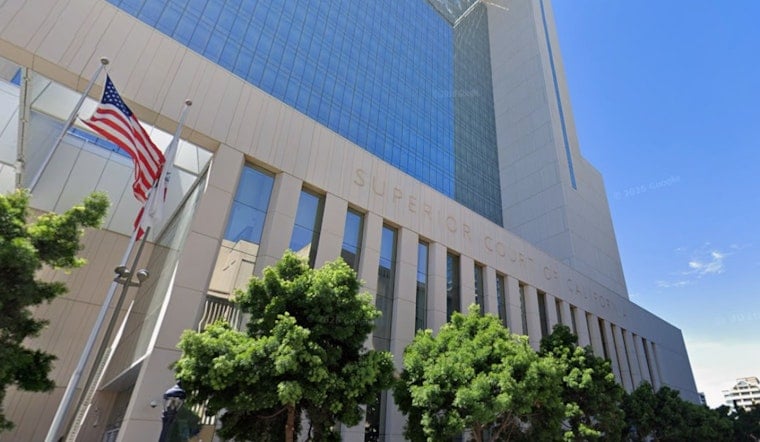
A Florida man who says he is running on fumes and faith slept in his car outside the downtown San Diego courthouse this week, determined not to miss a hearing tied to a killing that shattered his family more than three decades ago. He is one of eight siblings still searching for answers after his brother, Karl Senser, was carjacked and fatally stabbed on Mother’s Day in 1994 near University Heights. Now that prosecutors have revived the case, the Sensers are back in court, bracing for yet another round in a legal fight that refuses to stay buried.
The 1994 killing
According to Justia, Karl Senser was carjacked and stabbed to death on May 8, 1994, near University Heights. One man was convicted in connection with the slaying in 1996, while investigators long viewed Leon Daniel McInnis as a possible accomplice. Those court records and the original trial transcripts now sit at the center of prosecutors’ renewed push to bring murder charges decades after the crime.
Appeals court sends case back
McInnis was charged in 2021 after prosecutors said new testing linked him to items recovered from the scene. In 2023, a Superior Court judge threw the case out, ruling that the long delay, along with the death or fading memories of key witnesses, had seriously harmed McInnis’s ability to defend himself. The People appealed, and in November 2025 the California Court of Appeal reversed that dismissal and sent the case back to the trial court, instructing the judge to reopen the evidentiary hearing and reconsider whether dismissal is still the appropriate remedy, according to the appellate court’s published opinion.
New forensics, old questions
Prosecutors say DNA testing first conducted in 2018 produced matches that became the backbone of the 2021 complaint against McInnis. The results reportedly include DNA on a napkin wrapped around a knife and on a front passenger-seat cover. Legal summaries and case listings indicate that the combination of this newer physical evidence and existing witness statements is what prompted prosecutors to revive the long-stalled murder investigation, as outlined on FindLaw.
Family in court
Dane Senser told NBC San Diego that the wait for trial has taken a financial, physical, and emotional toll. He said he drove from Florida to attend the hearings and arrived with $13 left in my pocket, adding that he has been living in my car while in San Diego. McInnis appeared at the hearing by video conference, and the outlet reported that the judge ordered his face not be shown.
Legal fight over delay
The appellate court’s order does not address guilt or innocence. Instead, it directs the trial court to reopen the evidentiary hearing, accept additional evidence, and properly weigh any prejudice to McInnis against the People’s reasons for the decades-long precharging delay. That balancing test, which pits investigative justification against a defendant’s right to a fair trial, is now the central question the Superior Court must answer as the case moves forward, according to the court’s published opinion.
For the Senser family, the ruling is one more step in a search for answers that has stretched across generations. Attorneys caution that it could be months or even years before a trial date is set. Dane Senser said he intends to stay in San Diego for the hearings, determined to keep showing up in court as he presses for what he calls justice for his brother.





