

























































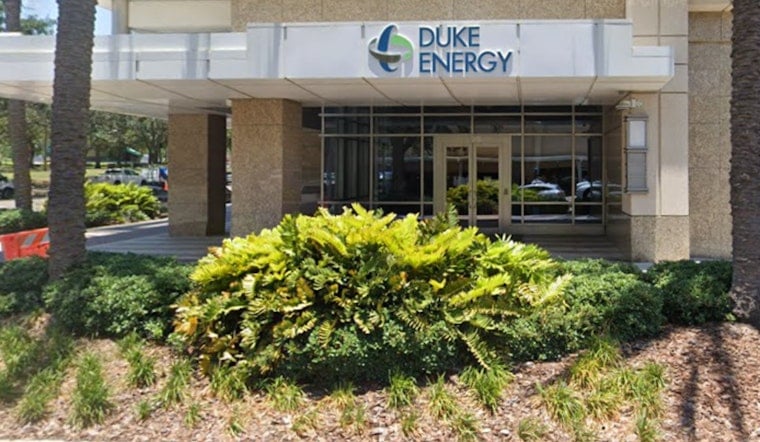
Florida’s utility watchdogs are already side-eyeing Duke Energy Florida’s blueprint for serving massive AI data centers, questioning who really ends up footing the bill for all the extra wires and power plants that kind of growth demands. State regulators this week let Duke’s plan move ahead in the process, but they repeatedly asked whether it actually lives up to a brand-new law that is supposed to keep data center costs off everyday customers’ bills. At the center of the fight is a proposed Fort Meade development that could soak up so much electricity it would trigger major grid investments.
At a hearing Tuesday, the Florida Public Service Commission voted to allow Duke’s filing to proceed and turned down a motion to toss the case entirely. That was not exactly a warm embrace. Several commissioners flagged significant concerns with Duke’s approach, and Commissioner Gary Clark bluntly warned company officials, “I think you’re on real shaky ground, if you ask me.” As reported by Tampa Bay 28, the commission plans a two-day hearing in late August to decide whether the utility’s proposal really tracks with the new statute.
What Duke Is Proposing
Duke Energy Florida is asking regulators to sign off on a new Large Load Customer Policy and a companion Large Load Customer Agreement tailored for future power-hungry customers expected to draw roughly 50 megawatts or more at peak. In its filing, the company outlines how those big users would have to put money on the line through contributions in aid of construction, security deposits, minimum monthly bills and a narrow window for any potential refunds. The pitch is that these terms would limit the chance that regular ratepayers end up subsidizing specialized projects. Those details are spelled out in materials submitted to the commission, according to Florida Public Service Commission.
Who’s Pushing Back
Consumer advocates and other intervenors say Duke’s tariff does not actually deliver the protections lawmakers just put on the books. The Florida Office of Public Counsel argues the utility is leaning on an earlier rate settlement as a kind of escape hatch from the new statute’s requirements, instead of building the law’s safeguards into the new policy. Groups including Florida Rising have also filed objections and discovery requests, signaling they are prepared for a sustained fight over the details. As reported by WUSF, OPC is urging regulators to either reject Duke’s plan or tighten it significantly so that the legislature’s intent is actually honored.
Why The Law Matters
Florida’s new data center law was written to keep the price tag for giant, hyperscale AI facilities from sliding quietly onto the bills of ordinary electric customers. It tells utilities to craft special tariffs that require large power users to “bear their own full cost of service.” The statute also sets thresholds and tools for regulators to demand transparency and guardrails whenever a project would require major grid upgrades or even new power plants. As explained by GovTech, lawmakers moved after watching other states wrestle with data center booms that inflated bills and strained local infrastructure.
What Comes Next
The late August hearing will be the real stress test for Duke’s proposal, since commissioners can tighten conditions, order revisions or reject the plan outright. Letting the filing move forward this week did not count as a final green light. Duke has told reporters that its policy is meant to shield existing customers, and, according to Tampa Bay 28, the company says customer base rates will not include data center costs through the end of 2027, with shareholders on the hook for any shortfall before then. Whatever the commission decides in this case is likely to serve as a blueprint for how utilities and developers structure similar mega-load deals across Florida as data center pitches keep rolling in.





