

























































Eighteen-year-old Florida resident Gigi Felix is in a race against the clock. Her doctors say she needs 50 units of extremely specific, carefully matched blood before they can proceed with a bone marrow transplant, described as her best shot at curing an aggressive form of sickle cell disease. Years of transfusions have helped keep her alive, but they have also caused her body to develop antibodies that make compatible blood vanishingly rare. OneBlood and Gigi’s medical team have launched an urgent plea for O-negative donors of African descent in hopes of finding blood that her body will not reject.
OneBlood's "Saving Gigi" push
OneBlood says its reference lab is working around the clock, testing incoming donations as part of a targeted "Saving Gigi" campaign to secure the 50 rare units her transplant team requires. The challenge is not just finding O-negative blood. The units must also line up with a complex antigen profile that sits on top of standard ABO typing, which sharply limits how many donations can be used, according to OneBlood.
Why matching is rare
Doctors have compared the search to hunting for a needle in a haystack. Because Gigi has received transfusions for much of her life, her immune system has formed antibodies that rule out a large portion of the usual donor pool, so a very close antigen match is critical. "The risks of going into a transplant without enough blood are too high," said Dr. Brian Cauff. Statistically, only about one in 1,000 people of African descent is expected to be a match, as reported by WFTV.
Hospitals, family and a partial win
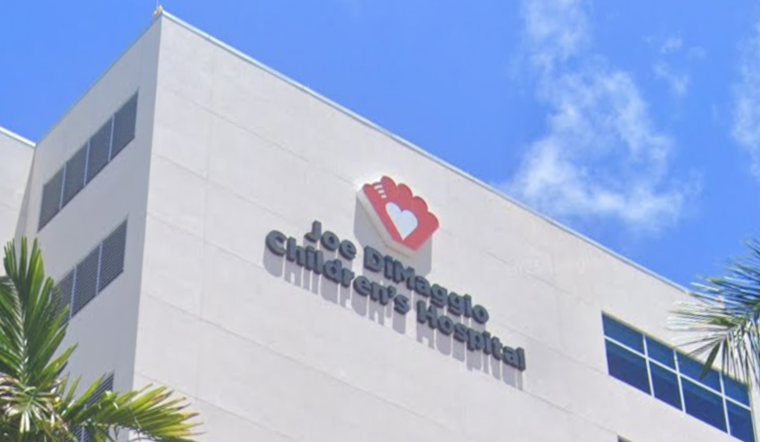
Gigi has spent much of her life receiving treatment at Joe DiMaggio Children’s Hospital in Broward County, and her doctors expect the transplant itself to take place at Holtz Children’s Hospital at UHealth Jackson Children’s Care in Miami. So far, some compatible units have already been identified and reserved exclusively for her, and her brother has emerged as a potential donor match, according to local reporting. See hospital listings at Jackson Health and Joe DiMaggio Children’s Hospital, and read coverage from WESH.
Who can help and where to go
Right now, the call is aimed squarely at O-negative donors of African descent, whose blood can be typed and screened for the rare antigen profile Gigi needs. Potential donors can schedule an appointment or locate a Big Red Bus blood drive through the "Saving Gigi" page on OneBlood’s website, according to OneBlood.
How bone marrow matching works
A bone marrow transplant replaces damaged blood-forming cells with healthy ones from a compatible donor, and success depends heavily on a close human leukocyte antigen, or HLA, match. That is one reason ethnic diversity in donor registries is so important. Federal health resources outline how registries and public cord blood banks search for potential matches and explain why adding donors from diverse backgrounds can improve outcomes for patients like Gigi, per HRSA.
Local advocates say even a single compatible unit could make a lifesaving difference for her. See local coverage from WESH for more on how and where to give blood.





