

























































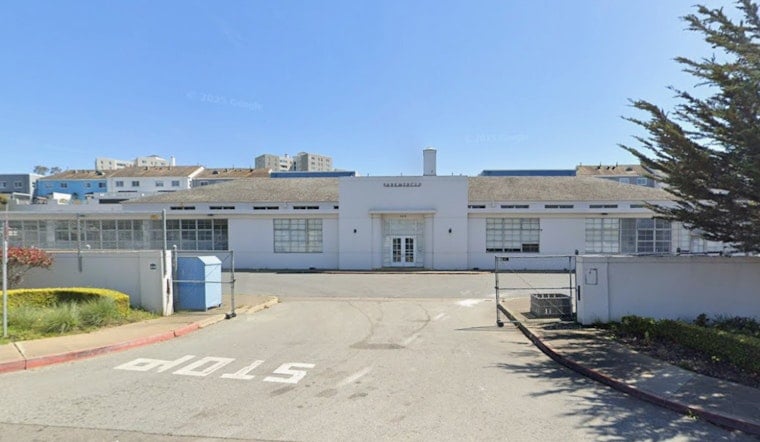
Yellowstone Real Estate Investments has completed a foreclosure takeover of key development parcels at Parkmerced, grabbing land that had secured a stalled construction loan backing Maximus’s long-planned expansion. Control of early parcels in the 152-acre complex now shifts to a new private owner, dropping Yellowstone into a long-running financing fight that has kept the massive redevelopment on ice for years. Tenants, city officials, and lenders are now staring at months of legal and financial untangling before anyone can put a firm timeline on new housing.
What Yellowstone Bought
Last week, Yellowstone foreclosed on lots covering the first four subphases of Parkmerced’s redevelopment plan, parcels entitled for roughly 1,668 homes, after originating a construction loan to Maximus in 2022, according to The San Francisco Standard. An attorney who advised Yellowstone told the paper the firm made three credit bids of $10 million each to win the four parcels at the trustee sale.
Trustee-sale notices show the original $101 million construction loan had swelled to more than $199 million with accrued interest and fees by the time of the sale, and that Maximus defaulted on the loan in March.
Where This Leaves Maximus And The Receiver
The foreclosure touches only a slice of Parkmerced. The bulk of the more than 3,200-unit complex is still tied up in a roughly $1.5 billion senior mortgage and a $275 million mezzanine loan that were placed into receivership. The court-appointed receiver, Douglas Wilson Companies, has been managing operations and using lender funds to stabilize the community, according to The Real Deal.
Practically, that split means one set of decision-makers, the receiver and lenders, controls most of the existing complex, while Yellowstone now controls the newly acquired development parcels. Different players will be calling the shots on short-term repairs and on any attempt to restart construction.
Yellowstone’s Pitch And Background
Issac Hera, Yellowstone’s chief executive, announced on LinkedIn that the firm had completed the takeover and was eager to realize the long-term vision for the site, The San Francisco Standard reports. Yellowstone, founded in 2020 and led by Hera after his time at Star Real Estate Ventures, has been active in buying distressed U.S. real estate and has closed on other conversion projects, the outlet notes.
The firm did not offer additional details to reporters about when it might actually start building or how it plans to finance construction.
Why This Matters To Parkmerced Residents
For current Parkmerced residents, the foreclosure of development parcels does not immediately change anyone’s lease or day-to-day maintenance arrangements. What it does is further complicate a redevelopment blueprint that has been stalled for more than a decade.
Parkmerced has struggled with chronic maintenance issues, and the receiver has directed lender money toward urgent fixes such as elevators and lighting, the San Francisco Chronicle reports. Community advocates say they want clear, written guarantees on replacement housing and protections for rent-controlled households if and when large-scale construction finally gets underway.
What Happens Next
Trustee-sale documents recorded in mid-July list the Maximus PM Phase parcels and the sale terms, and Yellowstone’s credit bids effectively turned its loan claim into ownership of the lots. A credit bid lets a secured lender apply the amount it is already owed toward the purchase price instead of paying cash, a setup that makes it harder for outside bidders to compete, as legal guides explain.
At the same time, the larger receivership over the rest of Parkmerced remains in place. Any move toward new construction will depend on how conflicts among lenders, the receiver, and potential third-party buyers shake out.
Legal And Financial Stakes
The foreclosure resolves one technical problem for these particular parcels but leaves a long list of legal and policy questions unsettled. The Parkmerced entitlements still exist, yet any developer that wants to build will need to coordinate with lenders, the receiver, and San Francisco’s permitting rules.
The Parkmerced development agreement and planning records show that the original plan called for replacing about 1,538 existing apartments in phases, a requirement that carries replacement and rent-stability obligations city officials are expected to scrutinize closely, per San Francisco planning documents. For now, lenders, Yellowstone, the receiver, and city officials are likely to spend months sorting out title, lien priority, and financing before any shovels hit the ground.



