

























































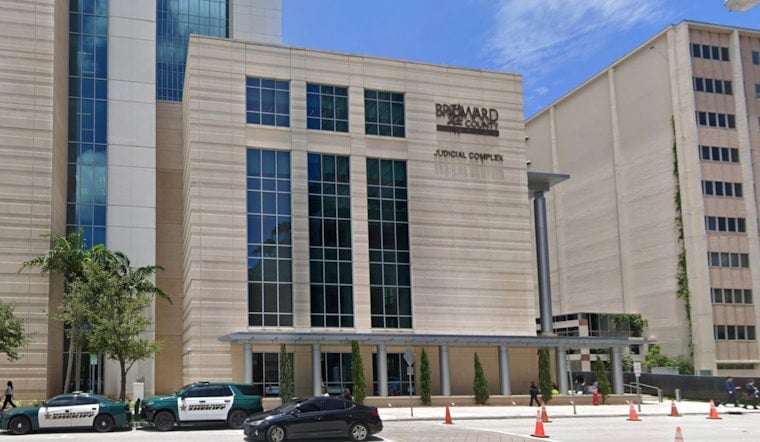
Fort Lauderdale’s central courthouse is about to host the kind of legal showdown most BigLaw firms only read about. A rare legal malpractice jury trial is set to open this week, putting elite firm Simpson Thacher & Bartlett under a spotlight that high-end defense shops usually manage to avoid. Former Patriot National chief executive Steven Mariano is chasing damages tied to the insurance company’s collapse, and a local Broward County jury will be asked to decide whether lawyer missteps, rather than market forces, helped sink the firm. Opening arguments are scheduled for Wednesday in Broward County’s 17th Judicial Circuit.
Allegations At The Heart Of The Case
Mariano’s lawsuit claims Simpson Thacher failed to draft contractual protections that would have blocked hedge funds from short-selling Patriot National shares beginning in late 2015. The suit blames that short-selling strategy for a steep stock plunge that the complaint says contributed to the company’s 2018 bankruptcy. Mariano is seeking more than $200 million, and his legal team argues that faulty advice left the insurer unable to withstand the market pressure. Simpson Thacher has pushed back in court filings, saying it stands by its work and that Mariano has not shown proof of manipulative trading, according to Reuters.
Where The Trial Will Be Held
The trial is scheduled for the Broward County central courthouse in downtown Fort Lauderdale. The 17th Judicial Circuit’s central courthouse, located at 201 S.E. 6th Street, handles the Circuit Civil docket where the malpractice case is assigned, according to the Broward County Clerk. Visitors can expect the courthouse’s standard security screening and filing procedures that apply to civil trials.
Case History And Filings
Filed in 2017 under case number CACE‑17‑021733, the lawsuit has generated a thick docket of motions, expert reports and contested discovery fights. Public court records show the matter has at times intersected with related bankruptcy proceedings and has prompted multiple orders on evidentiary limits and confidentiality. The procedural trail is visible in online court dockets and filings on platforms such as Trellis and in federal records posted on GovInfo.
Why A Jury Case Is Notable
Legal malpractice trials in front of a jury are relatively uncommon, in part because these cases are expensive to litigate and often settle quietly when firms or insurers decide they would rather not roll the dice on a public verdict. “Legal malpractice cases are expensive and many settle because firms and insurers are risk‑averse,” a legal commentator told Reuters. That backdrop is one reason the Broward trial has captured attention. Jurors will be asked to decide whether they buy Mariano’s causation theory that alleged drafting errors and advice to Patriot National’s leadership helped drive the company into the ground.
What To Watch And Possible Fallout
The central question is whether a jury will award the nine‑figure damages Mariano is after, a result that could nudge insurers and firms to revisit how they assess malpractice exposure and risk management. The trial is expected to lean heavily on expert testimony about trading patterns, legal advice given to Patriot National’s board and whether the claimed errors by Simpson Thacher meaningfully accelerated the company’s decline. The dispute has already produced appellate activity and multi‑jurisdictional skirmishes, as reflected in public records available through Justia.
A Broward County jury will now be tasked with sorting through complex financial evidence and dense legal theories in a courtroom that does not often see malpractice cases go the distance. Opening statements are expected to draw close attention from lawyers, insurers and local courthouse regulars watching to see whether this Fort Lauderdale trial reshapes how high‑stakes malpractice risk is fought out in public.





