

























































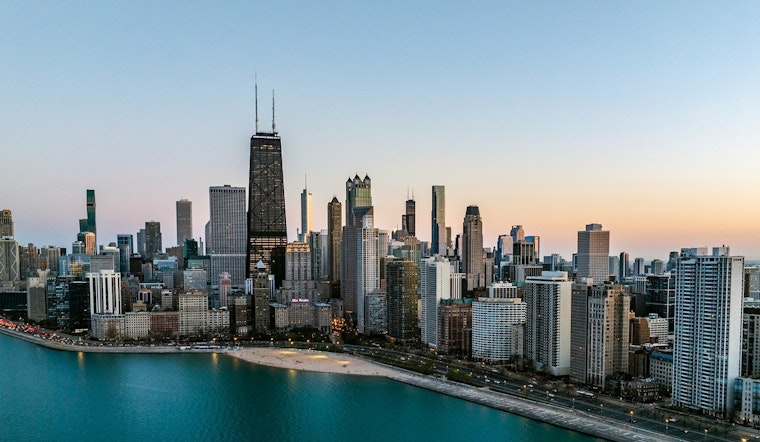
JDL Development is turning its reboot of the stalled Lincoln Yards north parcel into a neighborhood where your doctor might be closer than your bar. At Foundry Park, the rebranded riverfront site, the developer says the plan can support roughly 200,000 square feet of medical space and has already lined up a healthcare partner to help build it. The megaproject is being sold as a mostly residential cluster with more than 3,000 new homes and a first phase JDL wants to kick off this fall. The medical parcel will sit along Elston Avenue, and developers say it comes with highway visibility and a big parking field to reel in larger specialty groups and multispecialty clinics.
JDL CEO Jim Letchinger laid out the logic at Bisnow’s Chicago Healthcare Summit, arguing that Chicago’s heavyweight hospital systems and shifting care patterns make walkable outpatient space a neighborhood perk, not a box to check at the end of a site plan. Putting care “into a dense residential neighborhood,” he said, helps patients who want easier access and providers who want steady, built‑in demand. As reported by Bisnow, that thinking is behind the team’s push to lock in medical tenants early.
JDL and partner Kayne Anderson bought the roughly 31‑acre northern tract from Bank OZK for about $84 million after Sterling Bay’s Lincoln Yards vision fizzled, then reimagined the land as Foundry Park with a far more residential tilt. The proposal sent to city reviewers calls for thousands of housing units, miles of new park and riverwalk, and a mix of retail with limited office, a noticeable pivot away from the dense commercial towers that headlined earlier schemes. Per CoStar and JDL’s project page, the team is planning a multi‑phase rollout that leans heavily on housing and public space instead of a pure office play.
Remedy will develop the medical portion
To pull off the healthcare piece, JDL has brought in Remedy Medical Properties as its medical development partner to build and lease the medical‑office component. The firms are pitching the site to larger specialty groups and multispecialty clinics, not one‑off doctors’ suites. Remedy development lead David Martin told summit attendees that the scale of the Elston frontage and its highway visibility make the parcel better suited to sizable specialty or multispecialty footprints than to a scattered collection of small practices. The partnership and the site’s medical role have been front and center at the summit and in the company’s marketing. As noted in Remedy’s announcement, the parcel is sized to handle roughly 200,000 square feet of medical office space.
Market forces behind the bet
Developers and investors have been pouring money into medical‑office buildings as more care moves out of hospitals and into outpatient facilities, which has tightened the supply of purpose‑built clinic space. Industry research shows outpatient volumes climbing and demand growing for modern medical office product, a combination that tends to support leasing and investor appetite for well‑located buildings. JLL’s Medical Outpatient Building research traces that surge and the economics that make integrated medical space attractive in dense, walkable neighborhoods. For master‑plan developers, weaving medical space into a mixed‑use project is both a revenue play and a hedge against the shakier traditional office market. JLL has documented the broader shift toward outpatient care that underpins the strategy.
Why neighbors will notice it
Foundry Park’s size guarantees that public infrastructure will be part of the neighborhood conversation. Developers are chasing arrangements that would reimburse substantial upfront work on new streets, parks and riverwalk segments, with staff documents putting those infrastructure costs in the hundreds of millions. That potential public‑private funding package, layered on top of new housing density, has drawn scrutiny from aldermen and neighborhood groups worried about traffic, park tradeoffs and how the buildout will reshape nearby blocks. Local reporting and city files indicate that tax‑increment financing and infrastructure talks will be a key battleground as the team shifts from approvals to shovels. See reporting from CoStar and the Chicago Sun‑Times for more on those debates.
For now, JDL says it wants to move fast on the first phase to show the project is real, not just another glossy riverfront rendering. The team has described an aggressive opening act and is aiming to start construction in October. If it lands as pitched, the medical anchor would sit inside a riverfront neighborhood, an intentional break from the off‑campus outpatient parks that operate far from the people they serve. As reported by The Real Deal, the project cleared key zoning votes earlier this year and remains on a rapid timetable.


